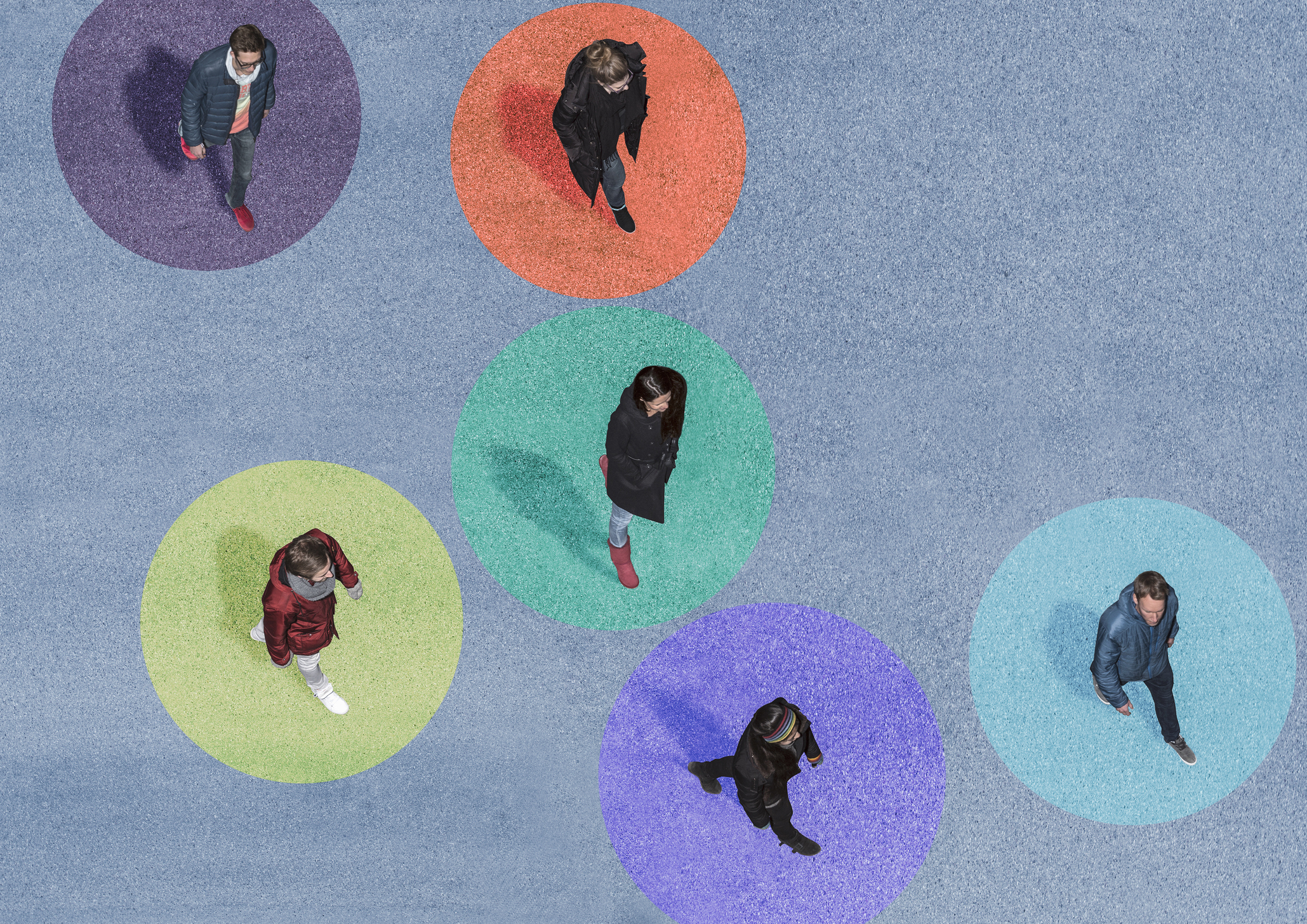

Most of us like to think that we’re not judgemental people, we don’t make assumptions based on how people walk, talk or look. We’re thoughtful and treat people with kindness, or at least that’s what we like to think. But the reality is that we start reading people’s posture, gait, their clothes, and a whole bunch of other things way before they get a chance to open their mouth and introduce themselves.
Think about it, how many times have you seen someone walk into a café or just past you and immediately made assumptions about what kind of person they are (or seem to be) and decided how you feel about them? You’ve definitely had situations where you said something along the lines of “I don’t know them personally but they seem like a great person.” Or, alternatively, have uttered something like “I don’t know what it is about them but that person just rubs me the wrong way.” We have all seen that guy at the bar who strides in way too confidently and thought, “Ugh, what’s his issue.”
So yeah, we all judge and we don’t always make the best judgement. But what’s interesting is that there have been studies on how we judge people based on their gait and how fair that judgement is. Let’s explore that, shall we?

People Have Been Judging Walks For Nearly A Century
It’s not a new idea to judge a personality by the way a person walks. It’s not a new TikTok trend similar to what your Starbucks order says about your childhood trauma. Psychologists have been studying whether personality and gait are connected since the 1930s. Werner Wolff did a psychological study back in the day where they filmed people walking, without showing their faces, and then asked other participants to describe their personalities based on their walk.
The results were quite interesting because participants often made very similar assumptions. Multiple participants, for example, described the same walk as attention-seeking, vain, or trying hard to seem confident. Basically the science version of “That guy is trying too hard.”
The study, however, has its problems because the group of people was small and they all knew each other, so the results aren’t exactly unbiased. But they do point out at least one thing for sure, and that’s the fact that we instinctively treat gait as a personality clue.

The “Youthful Walk” Makes People Seem Happier And More Powerful
Modern studies use more advanced methods, including point-light displays, so a person becomes just a series of moving dots against a dark background. This removes any sort of bias like body shape, clothing, facial expression, or hair length. All that’s left is just movement. In these studies, participants mostly identified only two walking styles. One was perceived as more youthful, with a bouncier rhythm, faster steps, more hip movement, and more arm swinging. The other one looked older, with slower movements that looked more stiff, and the person was generally more forward-leaning.
The results of the study were very interesting. Turns out the gait didn’t have any connection to the actual age of the person. There were plenty of young people who had an older-looking walk, and older people who had a youthful walk. But curiously, the people who had a youthful walk were also seen as happier, more powerful or stronger by the participants, even after the real age of the walker was revealed. That tells us that a certain gait does have a lasting impression when it comes to assumed personality traits. So next time you walk into a room think about the fact that your walk might have an effect on how you’re going to be perceived.

But Most Personality Assumptions Based On Walking Are Wrong
This is where things go south for our little inner detectives.
Many people’s association of a certain walk with specific personality traits doesn’t automatically mean it’s true. Later British and Swiss studies have observed people associating a certain walk with a person being extroverted, trustworthy, adventurous, and warm, but that didn’t always correlate with the personality of the person whose walk they were judging. So just because multiple people make the same assumption about a person doesn’t make the assumption true. Someone might appear confident and decisive while walking, but in reality, they could simply be in a hurry and anxiously trying to remember whether they actually locked their door on the way out.