
We Treat Walking Like A Personality Shortcut
Our brains love shortcuts. We feel a firm handshake and think “confident and competent”. We hear a posh English accent and think “smart and educated”. We might see someone walking with their head down and think “shy or sad”. But that’s just our brains trying to categorise people.
The problem with a person’s walk is that it’s not very reliable. Someone might walk slower because they’re tired or injured, thinking about a million things they have to do or just simply because they’re wearing uncomfortable shoes. On the other hand, someone might walk quickly and swing their arms a lot (the youthful walk), and you might assume they’re confident and decisive when they’re simply rushing to the nearest toilet.
A person’s walk gives us some information about them, but it’s not always what we think it is.
Your Walk May Reveal Vulnerability More Than Personality
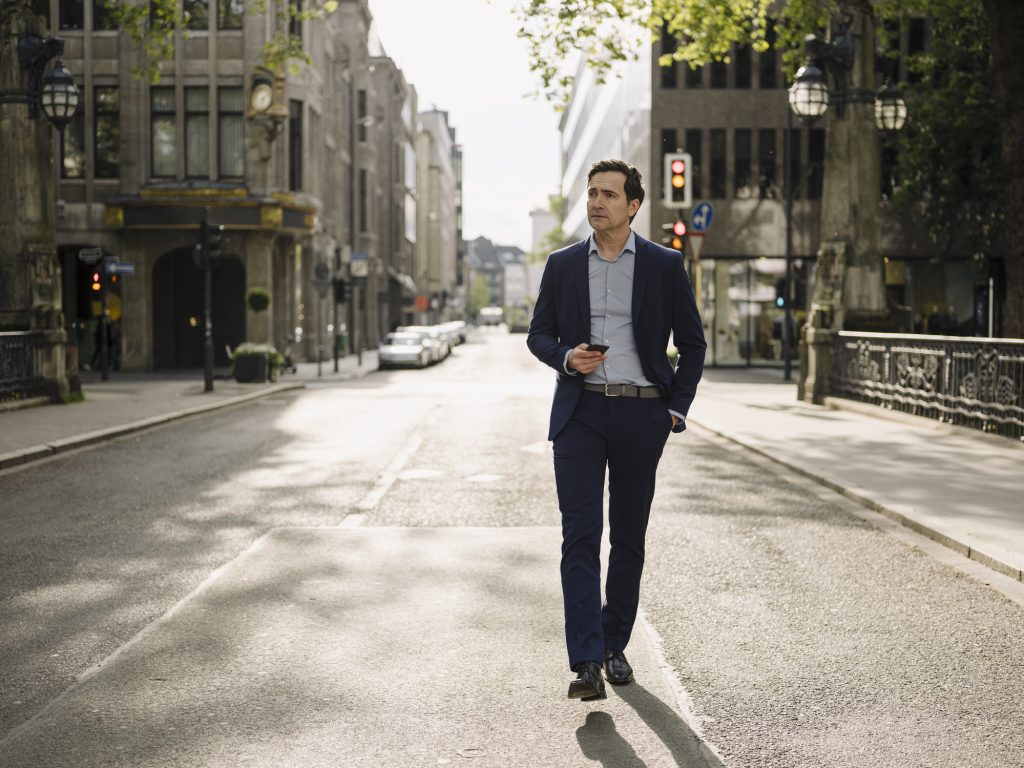
By now, we likely agree that a person’s walk doesn’t reveal much about their personality, but some research suggests it can reveal something a bit unsettling: perceived vulnerability.
Studies suggest that a shorter stride, smaller arm movement, and a slower walk can be seen as vulnerable. What’s especially creepy is that studies involving people with high psychopathy scores show that they might be better at identifying people they view as victims. To them, this person seems weak and like they don’t want to be noticed, which makes them a perfect victim. This is deeply uncomfortable, but this doesn’t mean that our walk is responsible for making us a victim, just that certain psychopathic individuals see it as a vulnerability.
Can You Change The Message Your Walk Sends?
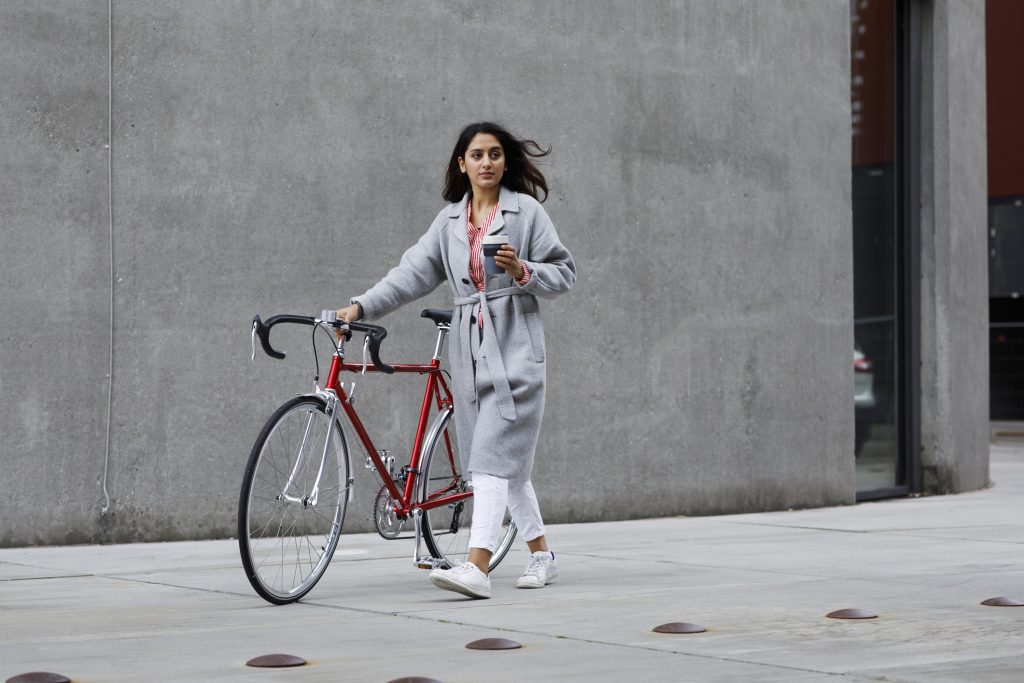
To an extent, we can, but not in a dramatic way. We can put on a more confident walk by adopting a longer stride and holding our heads high, walking with purpose. Women often do this instinctively when walking in an area they feel is unsafe.
But it’s a thin line between walking with a more confident stride and looking like you’re putting on a show of marching down the street to take over a small country. The goal is not to look like a character in a play, but instead just be aware of yourself and your surroundings, trying not to shrink into yourself and taking up space.

The Real Lesson Is Not To Judge Too Quickly
The biggest takeaway from this exercise is that your walk doesn’t actually reveal anything about your personality. Humans are more than their gait. We’re all complex individuals. Someone walking slow or fast, confidently or more reserved, can depend on their mood, health, the comfort level of the clothes they’re wearing, or whether they’re carrying a heavy bag or just have a lot of emotional baggage.
The lesson to learn here is that people make many quick judgments, but they don’t always have anything in common with objective truth. So if you’re wondering what your walk says about your personality—it’s a lot less than you think, but just enough for people to invent a whole life story for you in their head, even if it has nothing in common with reality.