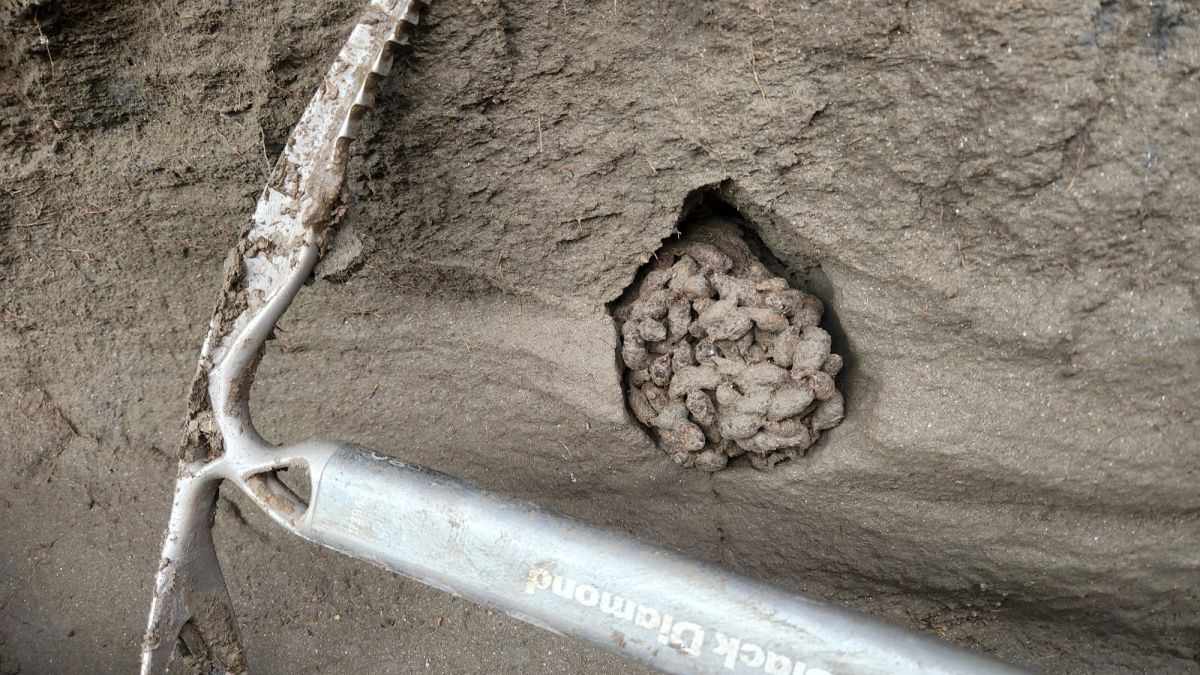

A treasure trove of prehistoric squirrel poop is painting a picture of a lost world. Some of the oldest DNA ever discovered and sequenced lies deep inside these ancient rodent droppings. That fossilized poop (or coprolite) is full of 700,000-year-old environmental DNA from numerous plants, insects, microbes, and large mammals that once lived in Canada’s Yukon, many of which are long gone. A study published today in the journal Nature Communications describes the findings.
A rodent time capsule
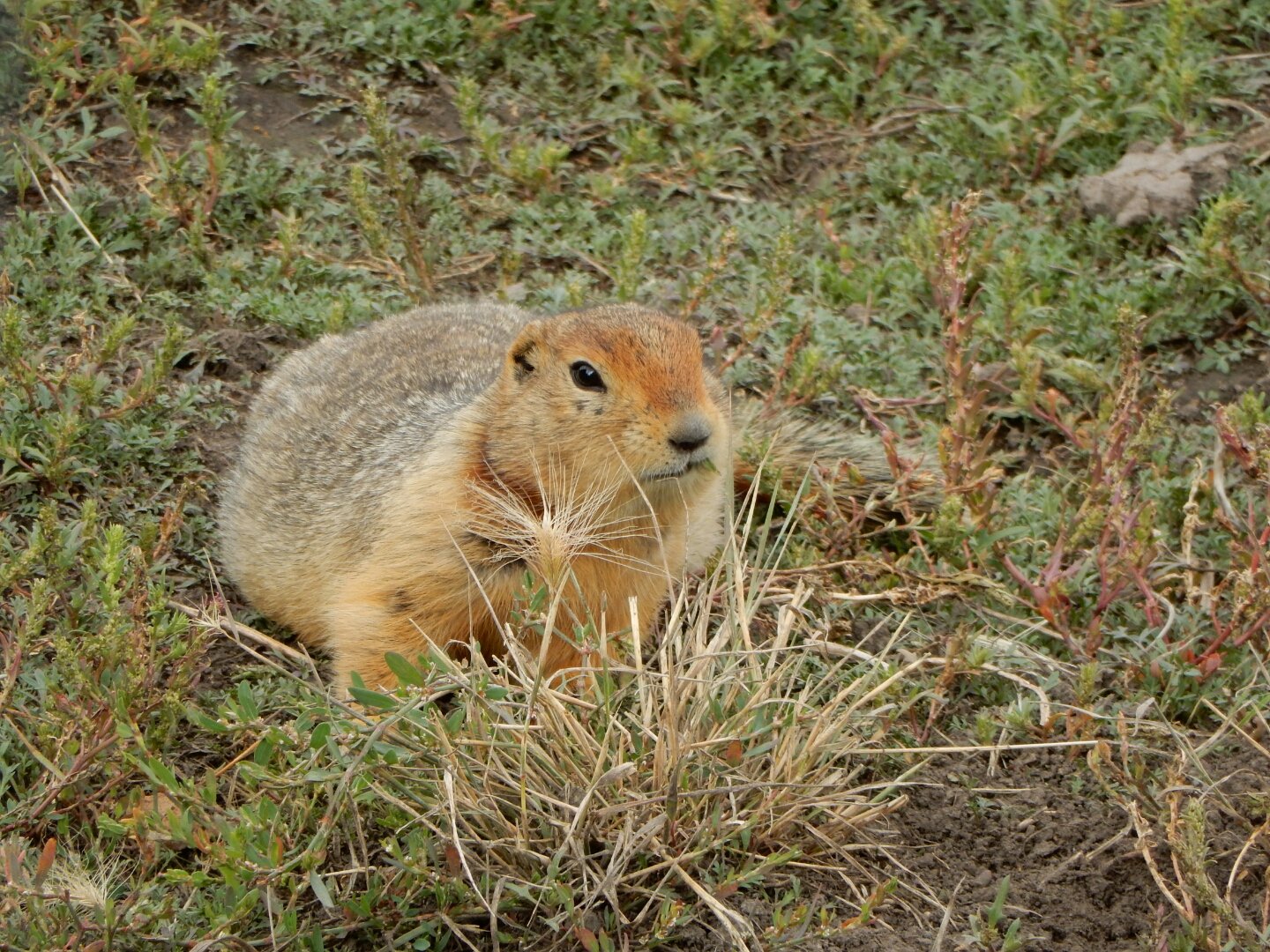
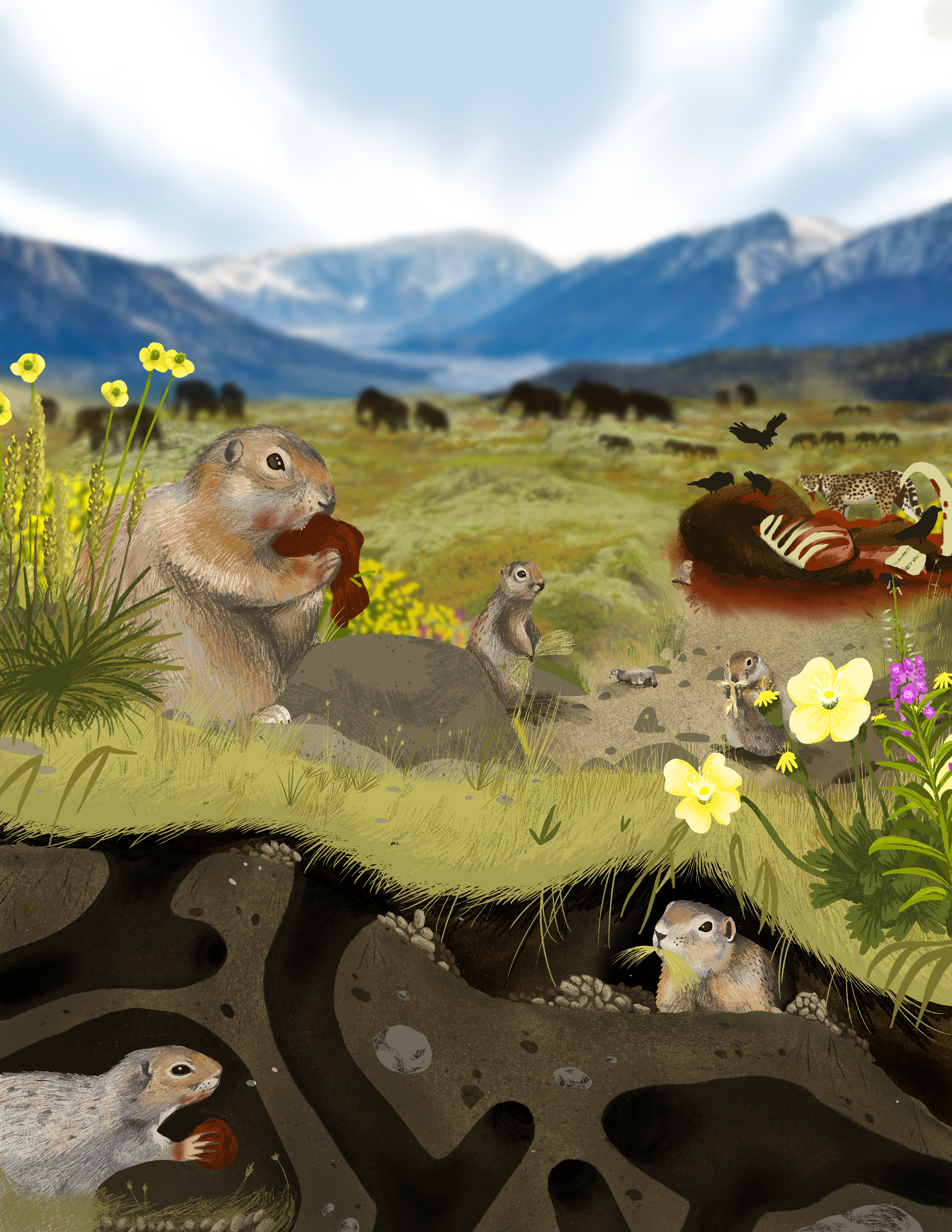
Arctic ground squirrels (Urocitellus parryii) are still alive today. They are widely found within Beringia, a region spanning the Yukon in Canada and Alaska in the United States. They are opportunistic feeders that eat a wide variety of plants, fungi, and insects. They will also eat meat, including dead flesh, whale meat, and even other rodents. They can also hibernate for up to seven months. Their wide diet and long-term hibernation in frozen burrows have helped create a detailed biological record of their environment.
“I’ve been describing them as acting a bit like tiny Arctic pack rats,” Tyler Murchie, a study co-author and McMaster University biomolecular archaeologist, tells Popular Science. “These squirrels are interesting both because of what they collected from the environment and because of their own evolutionary histories and how they adapted to the far north during previous glacial periods.”
The proof is in the poop
In the study, Murchie and his team analyzed 13 Arctic ground squirrel coprolite samples from the central Yukon. This research took place on the territory of the Tr’ondëk Hwëch’in First Nation and was conducted with permission.
Compared to bones or sediments, fossilized feces like these coprolites are not used as often for DNA analysis since they can degrade more easily. However, the ground squirrel burrows in Arctic regions can remain frozen and sealed for thousands of years, preserving genetic material in the poop. The ground squirrel burrows here span several glacial periods, and the organic material inside can remain frozen and sealed for thousands of years. The samples in this study date back 30,000 to approximately 700,000 years ago and the biomolecules from ancient animals can be preserved in the coprolites.
“Ancient squirrel poop was one of those ideas that sounded a bit ridiculous at first,” says Murchie. “Scott [Cocker, a study co-author] and I did it initially in part for fun and out of curiosity, not knowing what to expect. But scientifically, it made a lot of sense that these sorts of remains would be really information dense given how dense the burrows can be with macro-remains and given that they’ve been frozen continually for millenia. The squirrels were basically collecting pieces of the landscape and storing them in frozen burrows.”
To tell that something is coprolite, context matters. The scientists didn’t find a random poop pellet here or there, but found the droppings as part of a greater burrow system.
“They are small pellets, roughly rabbit-dropping sized, and they look like dried or fossilized fecal pellets rather than random sediment clumps or plant fragments,” Murchie explains. “When you’re working with them though, they very much seem like frozen poop. When we subsample them and go to digest a portion to extract DNA, it smells like poop. So the organics are all still in there.”
Inside of these DNA samples they not only found smaller organisms like plants and microbes, but larger animals—woolly mammoths (Mammuthus primigenius), American cheetahs (Miracinonyx), horses (Equus), steppe bison (Bison priscus), and more. The team was able to reconstruct 18 mitochondrial genomes from the poop samples, including 12 ground squirrels, one hare, two bison, and three horses.
A humbling timeline
The team also found a previously unknown genetic diversity among Arctic ground squirrels, including one lineage that dates back 700,000 years. While this squirrel does not live in the Yukon, its relatives can be found in western Siberia.
“There’s something humbling in the timescale. Some of these samples are older than our species. Homo sapiens in our modern anatomical form are usually placed at around 300,000 years ago, and our oldest sample is roughly 700,000 years old,” says Murchie. “So these squirrels were living, collecting, eating, caching, and leaving behind these tiny biological archives long before humans like us existed.”
The team acknowledges that some of the DNA may have been picked up from the coprolite’s surface at a later time and species identification may be affected by incomplete genetic reference databases for animals that lived so long ago. However, these findings show that permafrost coprolites can be part of a high-resolution snapshot of prehistoric environments and complement more typical findings like bones and teeth.
“Science is sometimes at its best when it takes something ordinary, weird, or even funny, and shows that it contains a much larger story,” says Murchie. “In this case, squirrel poop can turn out to be a window into deep time, climate change, extinction, evolution, and ecosystems that no longer exist.”

2025 PopSci Best of What’s New