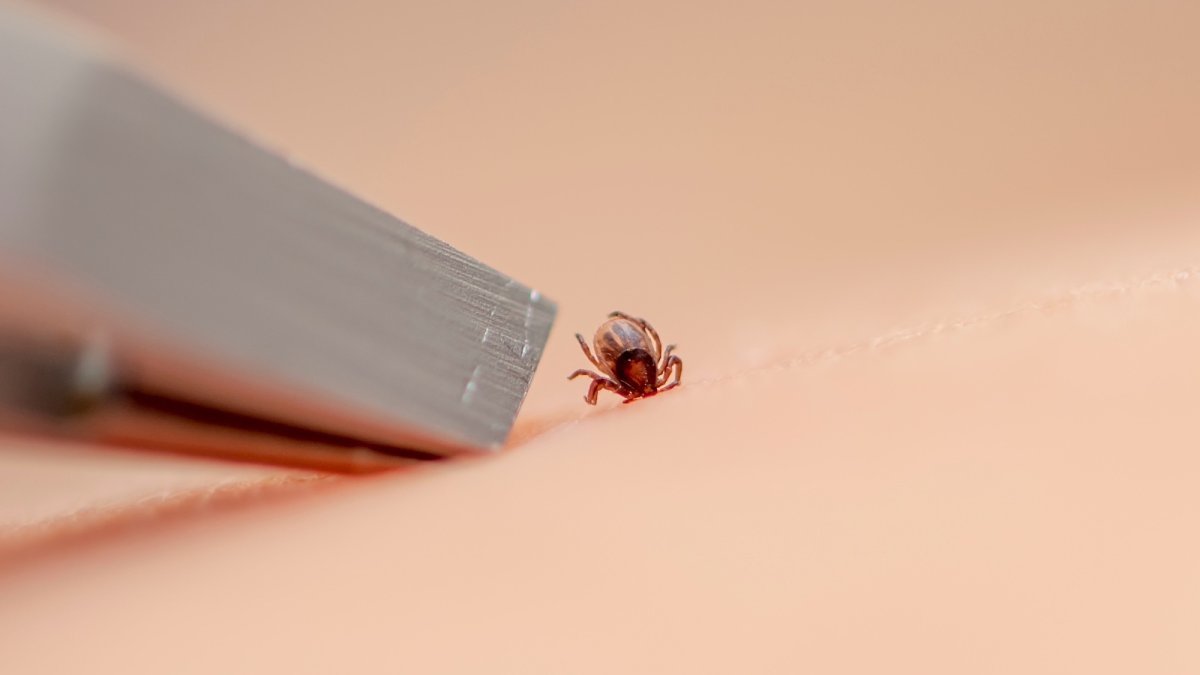

Ticks are an unfortunate reality during warm spring, summer and even early autumn months, and since these are periods when people tend to spend a lot of time outdoors, your odds of getting bitten and potentially exposing yourself to Lyme disease increase. There are other factors at play, too, such as where you live–for example, people in tri-state area have some of the highest risks in the country. According to reports, New York had 19 percent of all cases reported from 2019 to 2022, with Pennsylvania at 17 percent, and New Jersey at 11 percent. On the flip side, Hawaii and Oklahoma reported zero cases during the same time period.
Regardless, it’s best to practice safety first and wear long pants and long sleeves during hikes whenever possible (light-colored to increase visibility), tuck your pants into your socks, and use preventative sprays.
If you do find a tick burrowing into your skin, though, time is of the essence. Here are the best ways to handle tick bites (and a few things you should definitely never do).
First things first. Don’t try to “suffocate” the tick with petroleum jelly or even nail polish. According to the Children’s Hospital of Philadelphia (CHP), not only is this not effective, it can keep the tick on longer and make it more difficult to snag and remove. And as we’ll see, when it comes to tick bites, you have to move fast. The CHP also advises against trying to burn the tick off with a match–not only is that unsafe and puts you at risk of burning yourself, it can also cause the tick to react by vomiting up saliva and other potentially harmful fluids.
According to the Center for Disease Control (CDC), you need to immediately grab the tick with your fingers or, if handy, a pair of clean, fine-tipped tweezers. Don’t wait for medical assistance because the longer the tick stays on you, the higher the risk it can infect you. So move quickly but be careful not to squeeze the tick’s body. Doing so can cause it to vomit up its bodily fluids into your broken skin, which can also lead to infection.
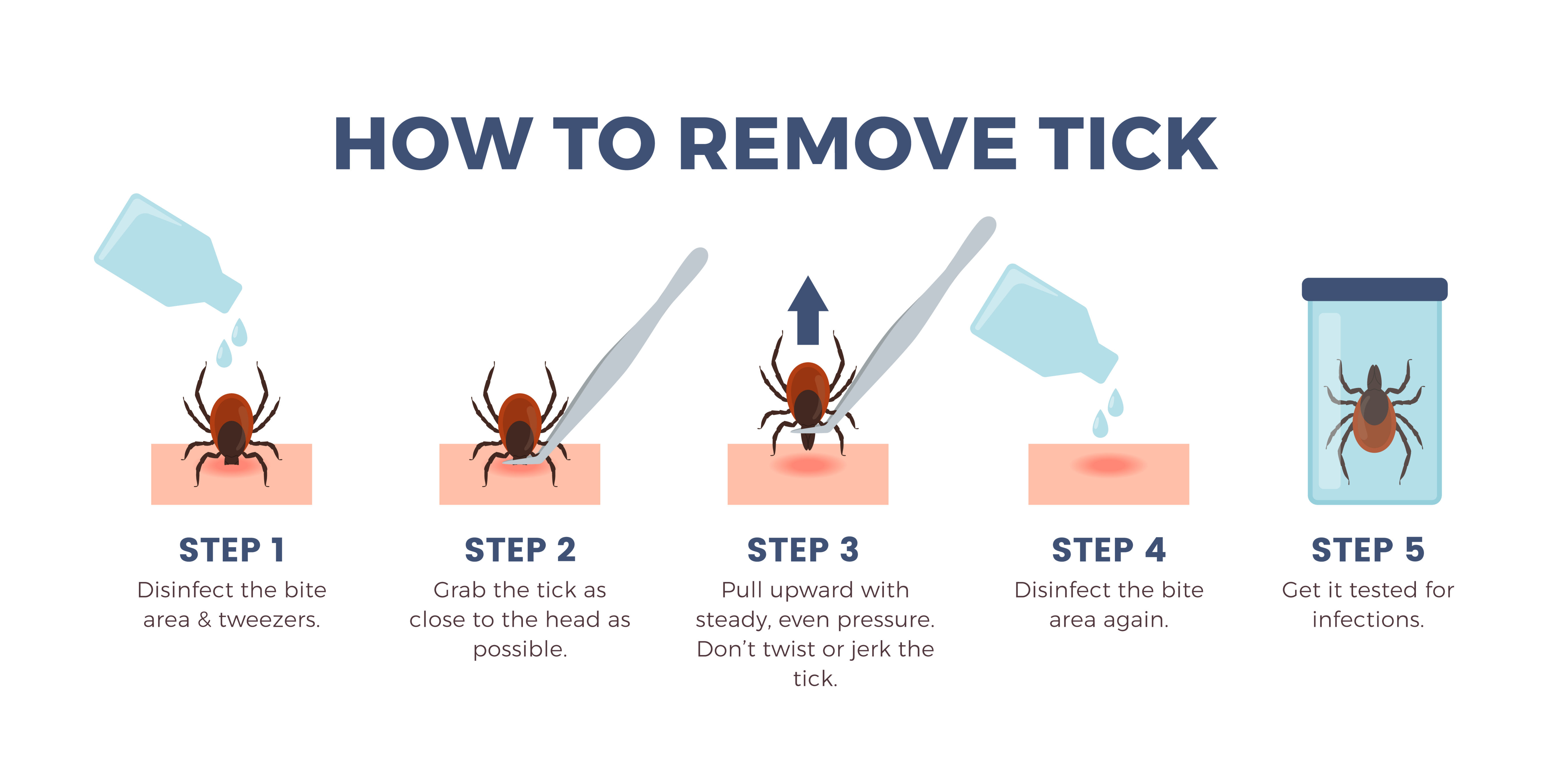
Once you have it, pull the tick straight up. Don’t jerk or wiggle. It’s recommended to press down the skin on either side of the tick so the area is more taut and less likely to cling.
Once it’s off, wash the area of skin just like you would a cut to prevent any further irritation. Use soap and warm water or rubbing alcohol. Also resist the urge to crush the tick, too (again, you don’t want it spurting any fluids near you). Instead, crush it in a tissue or a piece of tape, pierce it with a needle, or submerge it in ethanol. And don’t flush it down the toilet.
For the next few days, keep an eye out for symptoms that could possibly mean Lyme disease, such as flu-like symptoms (fever, headache, body aches), red ear lobes, neck and back pain, and a flat, round pink-ish rash in the bite area.
Go ahead and touch grass without fear.

2025 PopSci Best of What’s New