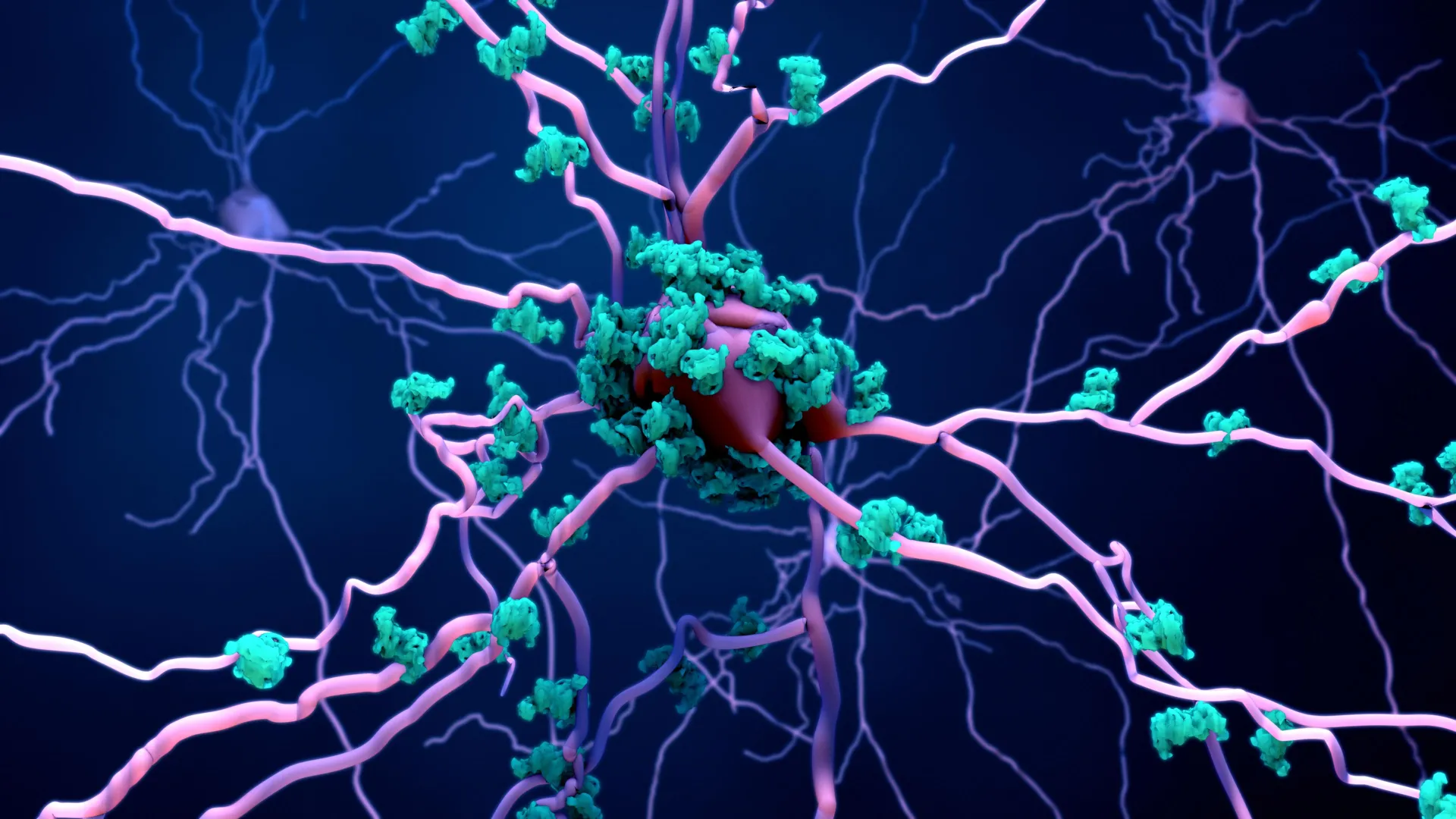

Scientists have identified evidence of a previously unknown process that may explain how brain cells die in Alzheimer’s disease and frontotemporal dementia (FTD). The discovery, centered on a mechanism known as karyoptosis, could point researchers toward new ways to slow the progression of these devastating conditions.
Many neurodegenerative diseases, including amyotrophic lateral sclerosis (ALS), Alzheimer’s disease, and FTD, are marked by the buildup of harmful proteins inside neurons. Over time, these nerve cells die, contributing to memory loss and other symptoms. Although scientists have long known about several forms of cell death, including apoptosis, those mechanisms have never fully explained the extensive neuron loss seen in these disorders.
Now, researchers from King’s College London, working with the UK Dementia Research Institute and supported in part by Alzheimer’s Research UK, have identified karyoptosis as a potential missing link connecting toxic protein accumulation to the death of brain cells.
Karyoptosis refers to a series of chemical reactions set in motion when toxic proteins accumulate inside a cell. As the process unfolds, the cell’s nucleus, which contains its genetic material, gradually shrivels before ultimately breaking apart.
Evidence Found in Alzheimer’s and FTD Brains
The findings, published in Nature Communications, are based on an analysis of 3,000 brain cells collected from 28 people with either FTD or end stage Alzheimer’s disease. Using computational algorithms, the researchers identified different forms of cell death occurring within the tissue.
They found signs of karyoptosis in 35 percent of cells from the frontal cortex of people with Alzheimer’s disease, compared with just 15 percent of cells from healthy older adults.
“This study is the culmination of a 10-year journey at King’s, from when we first identified karyoptosis in a relatively rare disease to discovering that it is a common feature of dementias which affect millions of people.”
A Possible New Target for Dementia Treatments
The researchers also uncovered a key molecular pathway that appears to control karyoptosis. They found that forcing proteins inside neurons to clump together, a hallmark of many neurodegenerative diseases, can trigger this destructive process.
According to the study, the buildup of toxic proteins destabilizes the outer membrane of the nucleus, causing it to shrink and eventually disintegrate.
The team then investigated proteins known as kinases, which act as molecular switches in this pathway. In laboratory experiments using rat neurons, blocking these switches reduced markers associated with karyoptosis. In particular, the interaction between the kinase p38 MAP kinase and the protein LaminB1 emerged as a promising target for slowing or preventing the breakdown of the nucleus.
The researchers believe this pathway could eventually lead to therapies that reduce brain cell loss in dementia. Their next goal is to develop ways to selectively target the interaction between p38 MAP kinase and LaminB1 in humans.
“By specifically targeting the interaction between p38 MAP kinase and LaminB1 we may slow down the process of cell death, buying time for more pinpointed therapies against specific neurodegenerative diseases,” said Dr. Manolis Fanto, Reader in Functional Genomics, Institute of Psychiatry, Psychology and Neuroscience, King’s College London.
Building a Road Map for Future Therapies
“The death and loss of cells in the brain drives many symptoms experienced by people living with dementia. Our study uncovers a new series of chemical events which can coordinate cell death in brain cells. We have started to lay out the road map of how karyoptosis works, and I’m excited to see future breakthroughs this may drive in the dementia research community and beyond,” said Dr. Rebecca Casterton, Senior Researcher at the UK Dementia Research Institute at King’s and first author on the paper.
“For decades, we’ve known that toxic proteins build up in Alzheimer’s disease and frontotemporal dementia, but exactly how they lead to the loss of brain cells has remained unclear.
“The identification of karyoptosis is a crucial step towards finding targets for treatments that could stop or slow cell loss. It could help widen the window for therapies that tackle the underlying causes of disease, bringing us closer to a cure for dementia. This is why Alzheimer’s Research UK funds and supports research,” said Dr. Sara Rodrigues, Senior Research Manager at Alzheimer’s Research UK.
The study, “Karyoptosis mediates cell death and neurodegeneration upon proteotoxic stress,” was published in Nature Communications.
The research was primarily funded by Alzheimer’s Research UK and the Biotechnology and Biological Sciences Research Council International Partnership. Additional support came from a studentship provided by the UK Medical Research Council and the UK Dementia Research Institute.