Hegseth orders review of U.S. forces in Europe, pushes allies to lead their own defense

Defense Secretary Pete Hegseth on Thursday told NATO leaders that the Pentagon is launching a six-month review of U.S. force posture and basing in Europe designed to ensure that America’s allies eventually take the lead role in their own defense.
In his address to a meeting of NATO defense ministers, Mr. Hegseth also lambasted alliance members who refused to support the U.S. in its military operations against Iran.
He said Congress, U.S. European Command, as well as NATO allies will be consulted during the force posture study.
“But make no mistake about it. This will be a real review,” Mr. Hegseth said. “It will be designed to ensure that NATO is moving fast and irreversibly toward Europe leading [and] stepping up to take primary responsibility for the defense of Europe.”

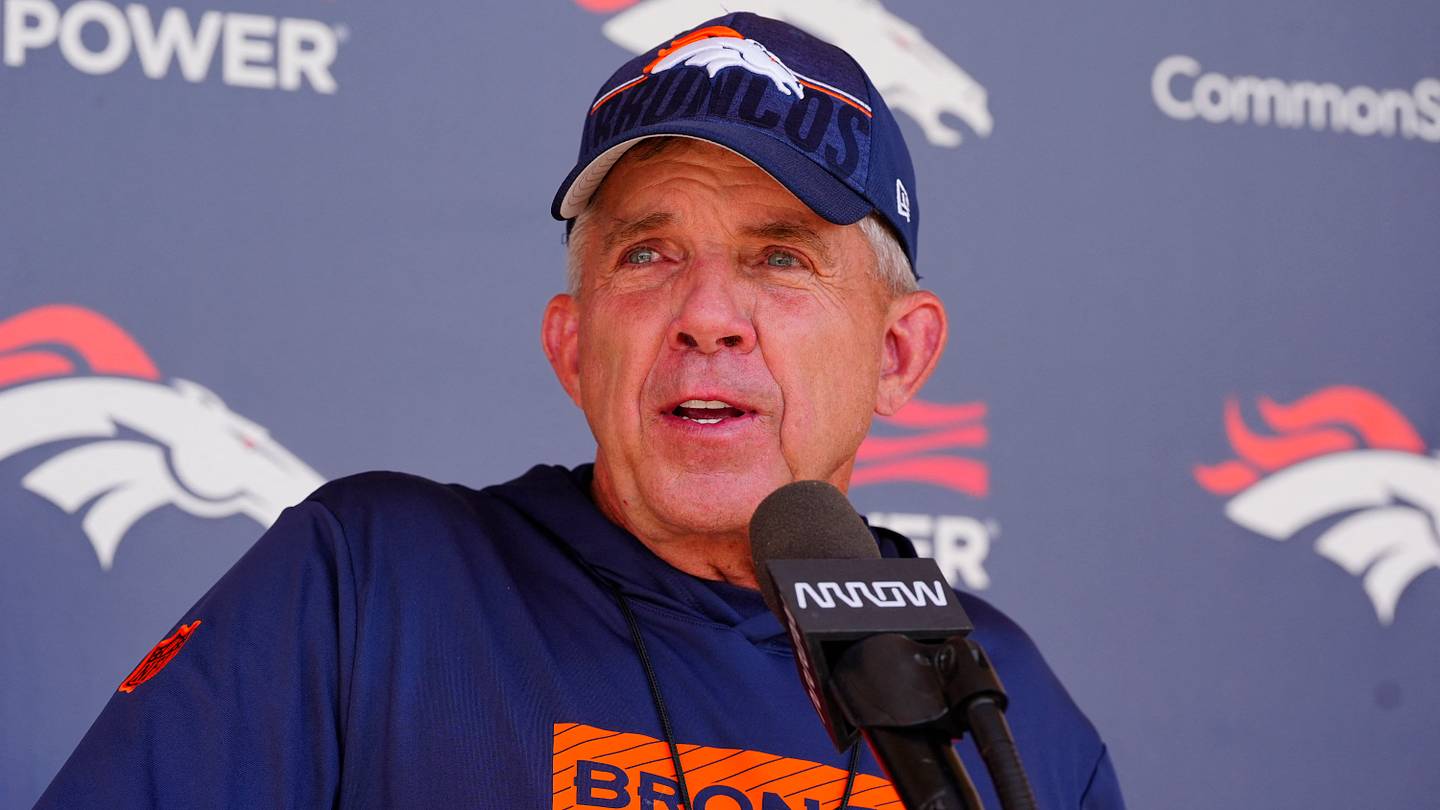
United States Defense Secretary Pete Hegseth, …
more >
He said the goal is to return the NATO alliance to its Cold War ideals, where each member state made significant contributions to its mutual defense against a feared invasion by the Soviet Union.
“NATO’s power did not come from committees or from meetings or from small flags on fancy tables; it came from warriors, and for Europe’s defense, it came from NATO allies,” Mr. Hegseth said. “That was ‘NATO 1.0:’ a hard-edged war-fighting organization that focused on Europe’s defense.”
The U.S. contributes about $933 million annually to NATO, which covers about 15% of the total operational costs for the alliance. Mr. Hegseth warned that American funds could be reduced if NATO members won’t increase their own financial and military support to the alliance.
“Where other allies do not spend with urgency, our dues contributions will go down,” he said. “NATO will be a two-way street. It’s only common sense. America cannot care for or pay more for Europe’s defense than our allies do.”
He said too many NATO members saw the collapse of the Soviet Union as an opportunity to slash their own military budgets and focus on domestic priorities, while expecting the United States to defend them against future threats. NATO also increasingly prioritized issues that had nothing to do with defending the alliance.
“Instead of tanks and fighters and air defenses, the focus has been on gender equity and climate change and defense austerity,” Mr. Hegseth said. “Europe’s borders flew wide open, welfare states expanded, and defense budgets cratered, along with Europe’s belief in itself and its civilization.”
He said European “free riding” isn’t what America expects from its contributions to European security since the end of World War II.
“This is not what any reasonable person would expect. It’s not going to cut it anymore,” Mr. Hegseth said. “So we’re doubling down on our effort to make NATO what it always was supposed to be: a balanced alliance with Europe in the lead for its own defense.”
Without identifying them by name, Mr. Hegseth also harshly criticized NATO members such as Spain and France that refused U.S. basing and overflight rights for Operation Epic Fury, the joint U.S.-Israeli air campaign against Iran.
“Too many of our allies said ‘No,’ or tried to drown us in arcane legal debates or criticized us publicly for doing what they aren’t prepared or able to do themselves. It was shameful,” he said. “They put America’s sons and daughters, our sons and daughters, at risk by denying them the predictable access basing and overflight that never should have been in question at all.”