
Want to spend less on energy? You’re not alone. Summer’s approach means air conditioning season is almost here, just in time for a global energy crisis.
Naturally, we’re all looking for ways to lower our energy bills. There’s a lot of great advice out there, from ditching incandescent lights to getting a heat pump. But there’s also some energy-saving advice that is useless—and a few tips that actually waste energy. Here are a few common myths about energy conservation, debunked with actual science.
Closing vents in empty rooms doesn’t save energy.
If there are rooms in your house you don’t regularly use—a guest bedroom, say, or an occasionally used rec room—you might wonder whether it’s worth heating or cooling it year-round. What if you closed the vents in those rooms, just to save a little money? There’s a certain intuitive logic to this. Heating and cooling costs money, so why bother leaving the vents open in rooms you’re not using?
But HVAC systems don’t work that way. Research suggests that closing vents will probably end up costing you more money. Here’s how.
A 2003 study by I.S. Walker at the Lawrence Berkeley National Laboratory tested this in a lab environment, simulating various California households and climates. Researchers found that closing vents actually increases energy usage.
“The reduction in building thermal loads due to conditioning only a part of the house was offset by increased duct system losses,” the study concluded, stating this was “mostly due to increased duct leakage.”
Put simply: Closing vents doesn’t save energy, because doing so pushes heated or cooled air into your walls instead of your rooms. HVAC systems use pressure to force air through vents, and the system is typically calibrated for the number of vents in your home. Closing one of those vents means there’s more pressure. Because no home HVAC system is free from leaks, that increased pressure means air ends up being pushed through those leaks into your attic or walls instead of any of your rooms.
This doesn’t mean you can’t ever close your vents—you might do so for comfort reasons, for example. It just means that closing vents isn’t a good way to save money on energy.
Fans don’t cool rooms; they cool people.
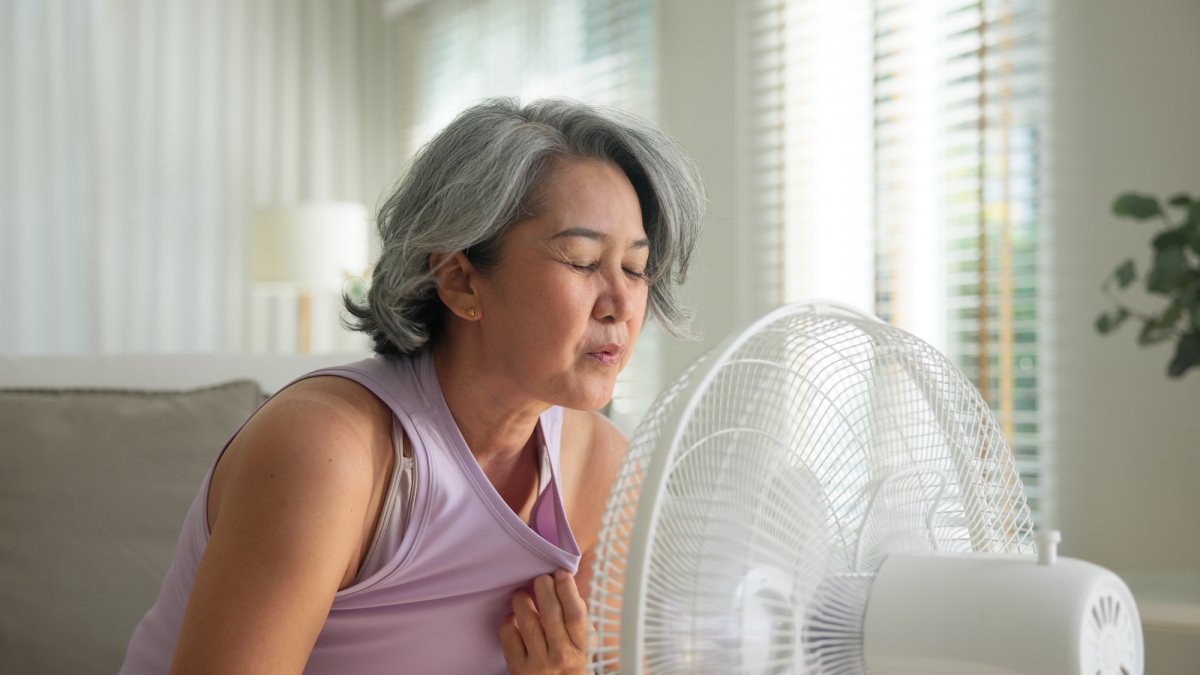
If it’s hot out you should turn on the fans, right? Not exactly. It turns out fans are only useful if there are people in the room; leaving them on in an empty room is pointless.
Why is that? Because fans don’t cool rooms, only people. You can experiment with this at home if you have a thermometer. Turn on the fan and see if the temperature goes down (it won’t), then also note if the room feels cooler (it will). The reason behind this is the windchill effect.
Air moving across your body speeds up heat transfer from your skin to the air, which we experience as cooling. Anyone who lives in a climate with cold winters is used to hearing both the actual physical temperature and what the temperature feels like given the windchill effect. The wind doesn’t change the physical temperature, which you can measure with a thermometer, but the human experience of it.
The exact same force is at work inside when you turn on a fan, and it can lead to real energy savings. According to the US Department of Energy, turning on a ceiling fan during the summer “allows you to raise the thermostat setting by about 4 degrees Fahrenheit without reducing comfort.” A 2013 study by researchers from the University of California in Berkeley goes further, suggesting people can feel comfortable in a room 6 degrees higher with a fan than without it.
Either way, turning on a fan could allow you to avoid turning on the air conditioning in some conditions, which obviously saves energy. Even with AC on, though, a fan could allow you to set the thermostat a little bit higher. Just remember: There is no point to leaving a fan on if you’re not in the room.
Cranking the thermostat doesn’t speed things up.
Here’s a trick people try sometimes: turning the thermostat up past what you actually want in order to speed things along. The problem is that HVAC systems don’t work that way. That’s according to Trane, a leading manufacturer of HVAC systems. “When you set your thermostat to a specific temperature, such as 70 degrees, your HVAC system will operate at the same rate to reach that temperature, regardless of whether you initially set it higher or lower,” the company wrote in a blog post. “Setting it higher won’t make your home heat up any faster; it will only cause your system to overshoot the desired temperature, resulting in unnecessary energy consumption.”
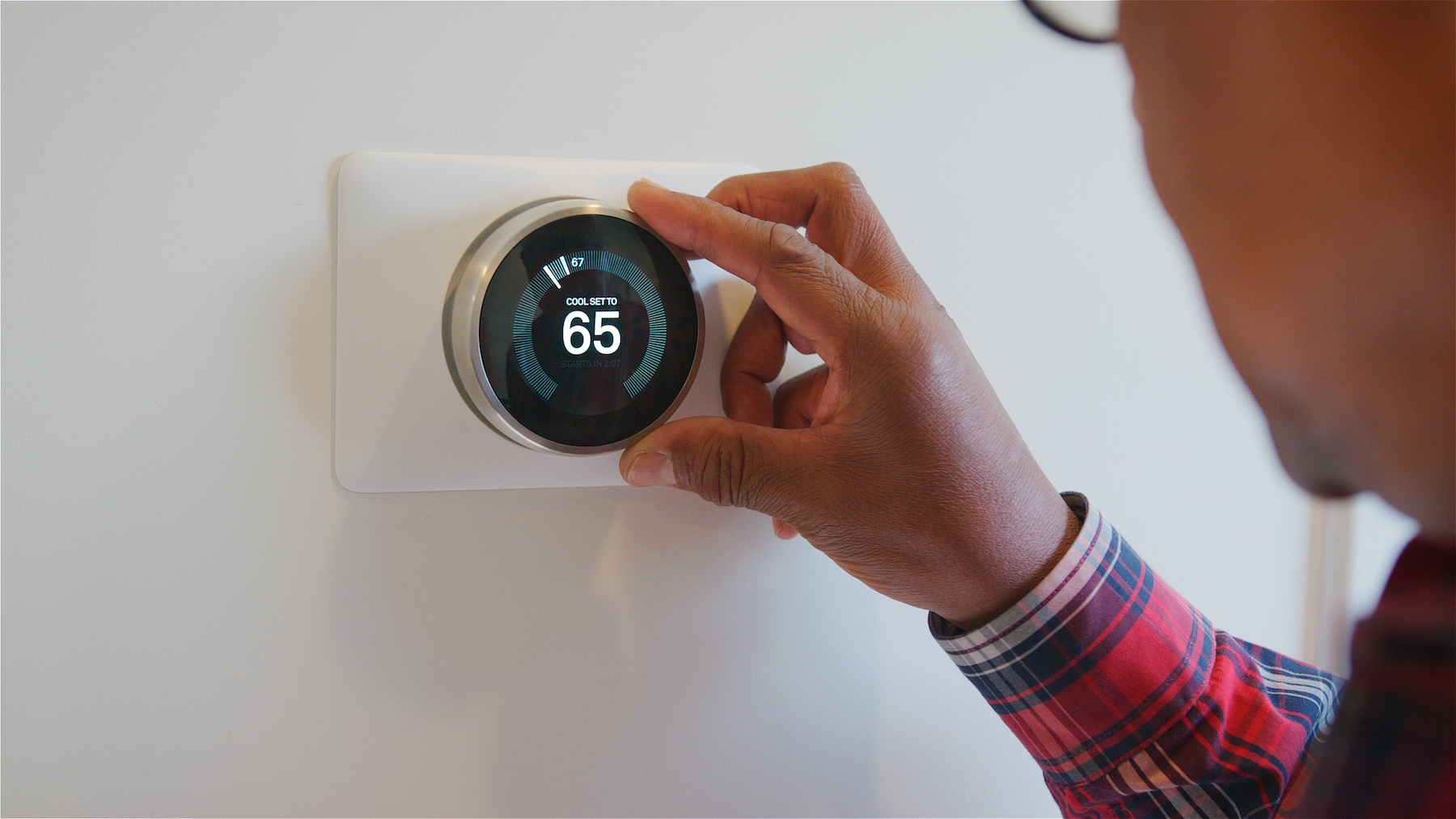
BC Hydro, a Canadian energy utility, agrees, writing that “the science is that rooms don’t heat up any faster when you crank the temperature up to 24 degrees Celsius instead of 21 degrees”. With very few exceptions, HVAC systems adjust the temperature at a pretty consistent rate. The best policy is setting the temperature you want and waiting.
Turning the lights on and off doesn’t affect modern light bulbs.
There is an idea that you shouldn’t turn off the lights every time you leave a room, because doing so takes up more energy than simply leaving them on. It’s not true.
Many energy-saving myths have their origin in now-obsolete technology. This is one of those. Fluorescent lighting, the light-saber shaped tubes of light once common in office buildings and schools, wear down more quickly if they’re constantly being turned on and off. The same is true of compact fluorescent bulbs, or CFLs, which were a common energy-saving tool in the 2000s. For this reason, according to the US Department of Energy, you should only turn off fluorescent lights if you’re going to be out of the room for 15 minutes or more.
This advice isn’t really relevant in the 2020s, though, because fluorescent lighting is a rarity now. Most modern lighting is LED-based, and “the operating life of a LED is unaffected by turning it on and off,” according to the Department of Energy.
So, unless you’ve got some really old lighting, go ahead and turn the lights off every time you leave a room. You’ll use a little bit less energy and it won’t damage your bulb at all.

2025 PopSci Best of What’s New