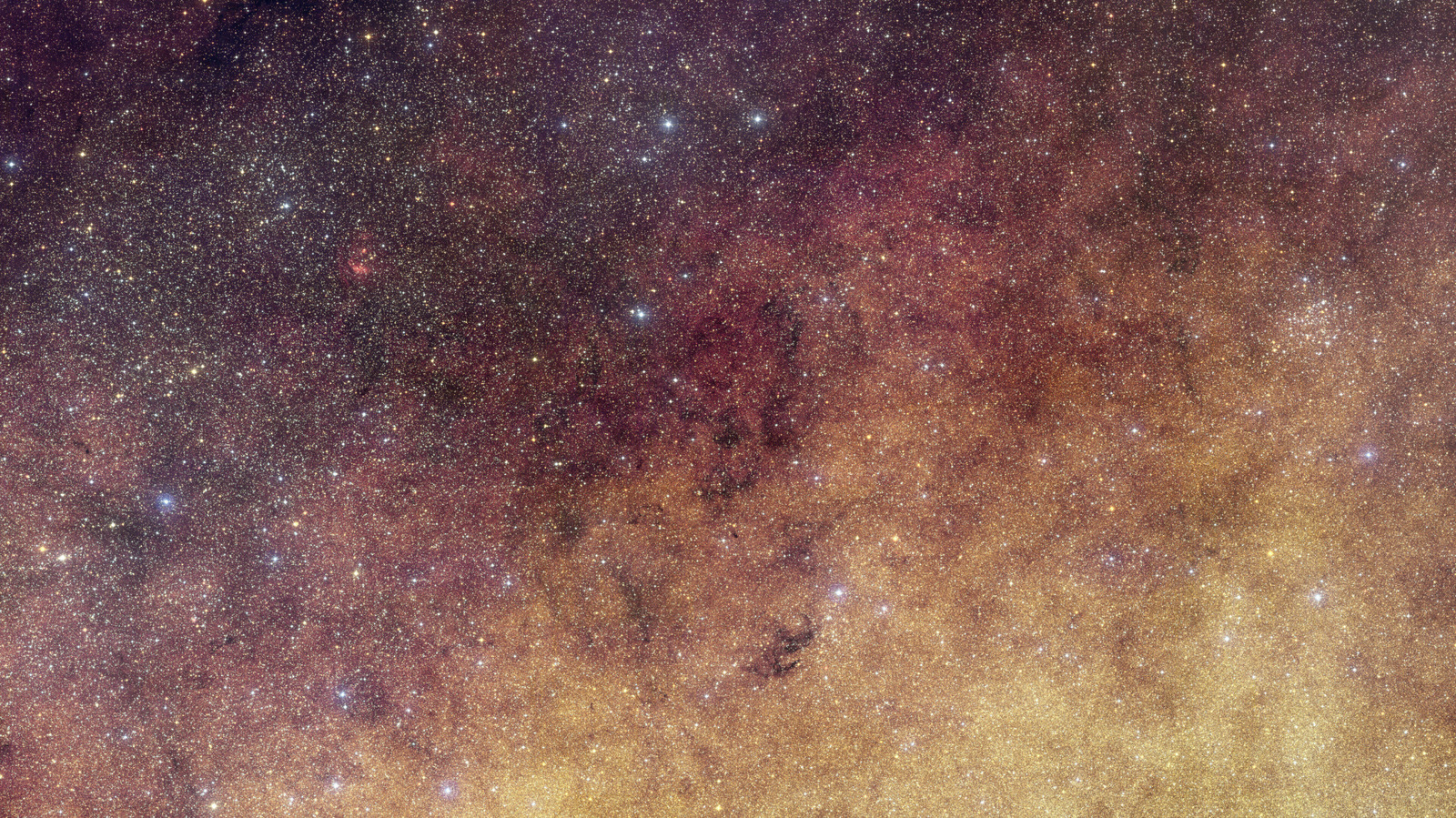
European Space Agency’s Euclid Captures The Star-Filled Center Of The Milky Way

NASA will begin mapping the galactic bulge with a mission later this summer.
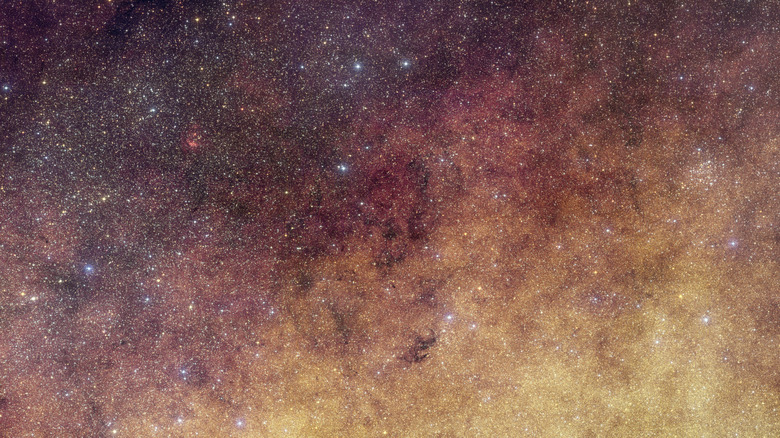
A large portion of our space coverage stems from the James Webb Space Telescope, but today we’re featuring an image from a different lens. The photo above is a portion of a larger image from the European Space Agency’s Euclid telescope, which has primarily been documenting the dark universe. This very bright image came from a detour that refocused Euclid on the galactic bulge, which is astronomers’ name for the bulbous center of the Milky Way.
But it’s more than just a beautiful picture. This snapshot offers a jump start to a NASA project that’s due to begin later this summer. The Nancy Grace Roman Space Telescope will start its five-year mission to chart changes in stars and other celestial objects in a small portion of the bulge. Having additional context for the area from Euclid before Roman even begins collecting data will offer the researchers more insights than either telescope would deliver alone.
“Adding Euclid’s snapshot to Roman’s future survey will help us map our galaxy better and identify hard-to-find cosmic treasures like isolated black holes and rogue planets more easily,” said Jason Rhodes, a senior research scientist at NASA’s Jet Propulsion Laboratory in Southern California and a member of the US teams for both the Euclid and Roman projects.
We recently highlighted an investigation that identified “bulge fossil fragments” and the researchers noted that the findings offered new insight on this difficult-to-study section of the galaxy. From this Euclid photo, it’s a little clearer just how many stars there are in this densely-packed bulge.