Columbia scientists discover surprising link between serotonin and heart valve disease

Serotonin is usually associated with mood, sleep, and digestion. But research published in 2023 suggests this chemical messenger may also influence a small structure that performs a vital job during every heartbeat: the mitral valve.
The multicenter investigation found evidence that reduced activity of the serotonin transporter may accelerate damaging changes in valves already affected by degenerative mitral regurgitation (DMR). Researchers at Columbia University’s Department of Surgery led the work in collaboration with the Pediatric Heart Valve Center at Children’s Hospital of Philadelphia (CHOP), the University of Pennsylvania, and the Valley Hospital Heart Institute.
The study was supported by the National Heart, Lung, and Blood Institute and was co led by Columbia’s Giovanni Ferrari, PhD, and CHOP’s Robert J. Levy, MD. The findings were published in Science Translational Medicine in 2023.
A Small Heart Valve With a Critical Role
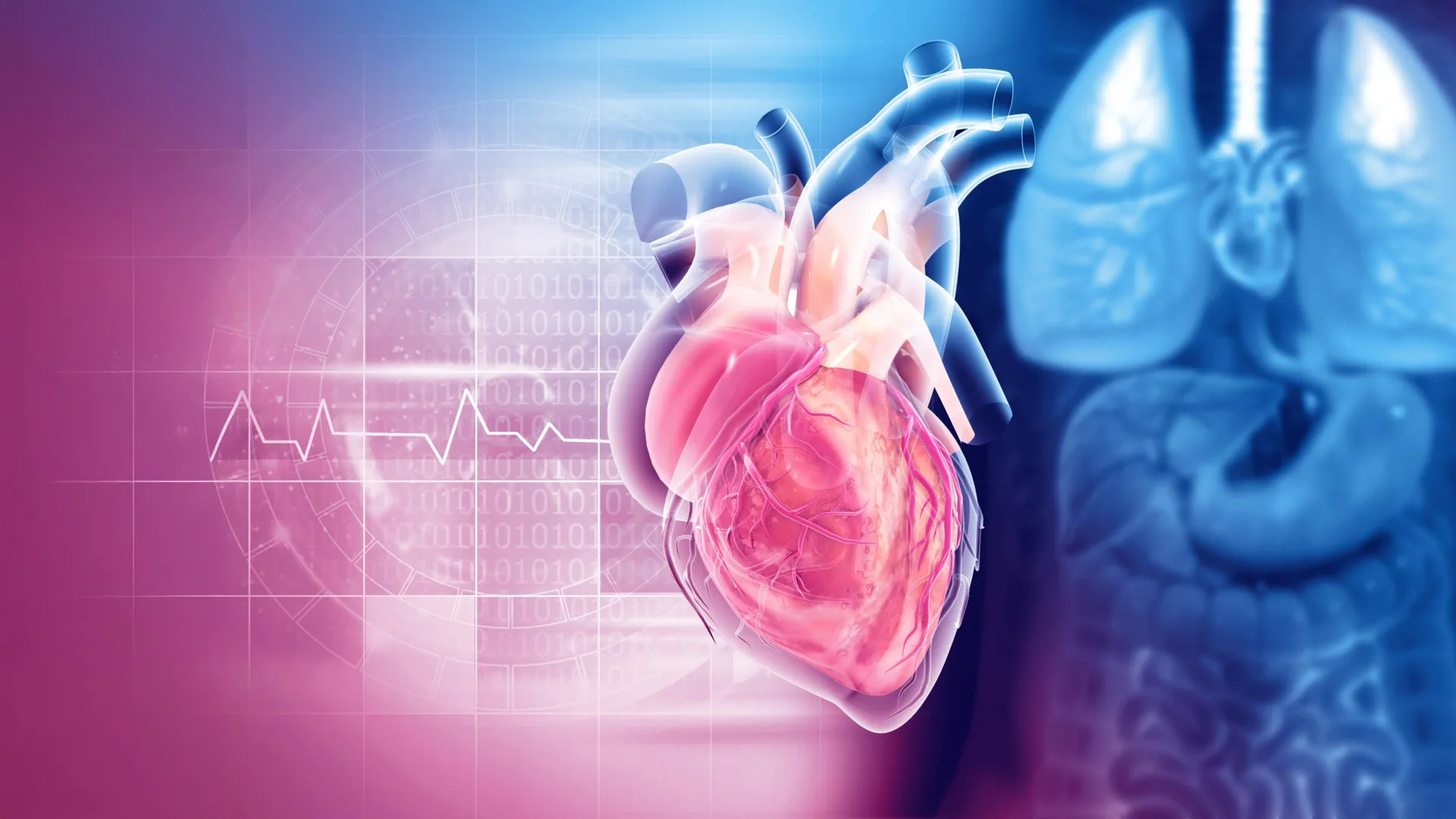
The mitral valve sits between the heart’s left atrium and left ventricle. The left atrium receives oxygen rich blood returning from the lungs, while the left ventricle pumps that blood throughout the body.
Each time the heart contracts, the mitral valve should close firmly. It functions like a one way gate, keeping blood from flowing backward into the upper chamber.
DMR is one of the most common forms of heart valve disease. As the valve tissue degenerates, the thin flaps that should meet neatly can thicken, stretch, or lose their normal shape. The valve can no longer seal completely, allowing blood to leak backward into the left atrium (regurgitation).
This leak can raise pressure toward the lungs while reducing the amount of oxygen rich blood that moves forward through the heart. Some people have no noticeable symptoms at first. As the condition progresses, however, fatigue and shortness of breath can develop.
The heart must also work harder to maintain circulation. Over time, that added strain can permanently damage the heart and contribute to serious conditions such as atrial fibrillation and heart failure. Atrial fibrillation is an irregular heart rhythm, while heart failure means the heart cannot pump enough blood to meet the body’s needs.
Medicines can ease symptoms and help manage complications, but they cannot reverse the underlying degeneration of the mitral valve.
“Certain medications can ease the symptoms and prevent complications, but they do not treat the mitral valve,” says Ferrari, scientific director of the Cardiothoracic Research Program at Columbia. “If the degeneration of the mitral valve becomes severe, surgery to repair or replace the valve is needed.”
Current medical guidelines evaluate heart valve disease by considering symptoms, valve anatomy, the severity of the leak, imaging results, and how the heart and lung circulation are responding.
Why Serotonin Matters Beyond Mood
Serotonin is a chemical messenger with jobs throughout the body. It contributes to emotional state, digestion, sleep, memory, and blood clotting. In the brain, it acts as a neurotransmitter involved in regulating mood.
Changes in serotonin signaling have long been associated with conditions such as anxiety and depression. That relationship is complex, however, and neither condition can be explained simply as a shortage of one chemical.
Serotonin communicates by attaching to receptors on a cell’s surface. This contact sends a signal that tells the cell how to respond.
A protein called the serotonin transporter (SERT or 5-HTT) helps end that signal. It carries serotonin into the cell so the chemical can be reabsorbed and recycled. This process is known as serotonin reuptake.
Selective serotonin reuptake inhibitors (SSRIs) reduce the transporter’s ability to take serotonin back into cells, leaving more serotonin available for a longer time. This effect can help relieve symptoms of mood disorders.
SSRIs are among the most widely prescribed antidepressants. They include fluoxetine (Prozac) and sertraline (Zoloft).
Because SSRIs reduce SERT activity, the researchers wanted to know whether the same mechanism could unintentionally affect heart valve tissue, particularly in people whose valves were already degenerating.
What Researchers Found in Patients and Mice
The team reviewed clinical information from more than 9,000 patients who had undergone mitral valve repair or replacement for DMR. The researchers also evaluated 100 mitral valve biopsies, which are small tissue samples examined in a laboratory.
“Studying the data of these patients, we found that taking SSRIs was associated with severe mitral regurgitation that needed to be treated with surgery at a younger age than for patients not taking SSRIs,” says Ferrari.
That finding showed an association, not cause and effect. The patient data could not prove that SSRIs caused the disease to progress more quickly. Observational studies cannot rule out other differences between groups that might influence when patients require surgery.
The researchers therefore explored the possible biological mechanism in mice and human valve cells.
They studied transgenic mice that lacked the SERT gene and found that the animals developed thicker mitral valves. Normal mice treated with high doses of SSRIs also developed thickened valves. These experiments supported the possibility that unusually low SERT activity can contribute to structural remodeling of the valve.
A Genetic Clue to Greater Valve Vulnerability
The researchers also examined 5-HTTLPR, a region of the SERT gene that helps control how active the serotonin transporter is.
They identified genetic variants that changed SERT activity in mitral valve cells. A “long” variant was associated with lower activity, particularly in people who inherited two copies (one maternal and one paternal).
Patients with DMR who carried the “long-long” variant underwent mitral valve surgery more often than patients with other variants.
Laboratory experiments offered a possible explanation. Mitral valve cells from patients with the “long-long” variant reacted more strongly to serotonin and produced more collagen. Collagen normally gives tissue structure and strength, but excessive collagen can make a valve thicker and stiffer, changing its shape and movement.
Cells with the “long-long” variant were also more sensitive to fluoxetine than cells carrying other variants. The findings suggest that an already damaged valve may be especially vulnerable when serotonin exposure, reduced transporter activity, and genetic susceptibility occur together.
Could a Simple DNA Test Guide Care?
For patients with DMR and the “long-long” variant, the researchers proposed that taking an SSRI could further reduce SERT activity in the mitral valve.
They suggested testing people with DMR for 5-HTTLPR. The test could be performed using DNA collected from a blood sample or mouth swab. In theory, identifying patients with low SERT activity could help doctors determine who might need closer monitoring or earlier surgery.
“Assessing patients with DMR for low SERT activity may help identify patients who may need mitral valve surgery earlier,” says Ferrari. “Promptly fixing a mitral valve that is very leaky would protect the heart and could prevent congestive heart failure.”
This type of genetic testing has not become a standard part of heart valve care. Major guidelines continue to focus primarily on symptoms, valve structure, leak severity, heart function, and imaging findings. Clinical studies would be needed to establish whether adding genetic testing actually improves treatment decisions and patient outcomes.
What the Findings Do Not Mean
The researchers did not observe harmful effects from normal SSRI doses or the “long-long” variant in cells obtained from healthy human mitral valves.
“A healthy mitral valve can probably stand low SERT activity without deforming,” says Ferrari. “It is unlikely that low SERT can cause degeneration of the mitral valve by itself. SSRIs are generally safe for most patients. Once the mitral valve has started to degenerate, it may be more susceptible to serotonin and low SERT.”
That distinction is important. The findings do not suggest that SSRIs generally damage healthy heart valves. They also do not justify stopping or changing antidepressant treatment without guidance from a prescribing clinician.
The strongest signal appeared in people whose mitral valves had already begun to degenerate. Even in that group, the human findings were observational and could not establish that antidepressants directly caused earlier disease progression.
The original research raised two practical questions for future studies. One is whether patients with DMR who respond well to SSRIs should receive regular monitoring for signs that the valve is worsening. The other is whether patients who do not respond well to an SSRI might benefit from switching to another type of antidepressant rather than increasing the SSRI dose.
Those approaches have not yet been validated in clinical trials.
Later Studies Expand the Serotonin Connection
Research published since 2023 has added support to serotonin’s possible role in heart valve remodeling. Much of that evidence, however, still comes from animals, cells, or relatively small observational studies.
A 2024 study found that mice with deficient SERT activity were more susceptible to fibrotic changes in their cardiac valves and left ventricular heart muscle. Fibrosis is the buildup of stiff, scar like tissue that can interfere with normal movement and function.
That study pointed to HTR2B, one of the cell receptors activated by serotonin, as an important driver of the damaging response. Mitral valve cells appeared particularly responsive to serotonin. The results broadened the concern beyond isolated thickening of the mitral valve, although animal findings cannot determine what happens in people taking standard doses of antidepressants.
Evidence From Another Major Heart Valve
A study published in 2025 investigated serotonin in aortic stenosis, a different type of heart valve disease. The aortic valve controls blood leaving the heart, and aortic stenosis develops when this valve becomes thick, stiff, and narrow.
The researchers compared 38 people with severe aortic stenosis with 38 control participants matched for factors including age, sex, and major medical conditions. Patients with severe aortic stenosis had higher serum levels of serotonin and its primary breakdown product.
The study supported the idea that serotonin signaling may be involved in more than one type of valve disease. However, the research included only 76 people and measured them at a single point in time. It could not determine whether elevated serotonin contributed to the disease, resulted from it, or reflected another biological process.
An Experimental Drug Target Emerges
In February 2026, researchers reported additional evidence connecting low SERT activity with aortic valve disease.
The study examined valve tissue from 66 patients undergoing replacement for severe aortic stenosis and compared it with normal donor valves. Diseased valves showed reduced SERT expression and stronger serotonin receptor signaling.
Researchers then tested the pathway in mice. An experimental compound that blocked HTR2B helped preserve valve structure and improved measurements of blood flow during an early stage of fibrotic remodeling. Human cell experiments also suggested that low SERT activity can make valve cells more sensitive to damaging biological signals.
These results make HTR2B an intriguing possible drug target, but the compound is not an approved treatment for heart valve disease. The mouse model represented early fibrotic changes rather than advanced, heavily calcified aortic stenosis. Additional animal studies and eventual human trials would be necessary before researchers could know whether blocking HTR2B is safe or effective in patients.
A Broader Review Finds an Association
A 2026 systematic review and meta analysis examined clinical studies involving medications that modify SERT activity. The pooled analysis reported a significant association between these drugs and heart valve disease, with an odds ratio of 2.76.
An odds ratio compares the odds of an outcome between groups. It does not directly predict an individual patient’s risk, and it does not prove that the medication caused the outcome.
The review also covered a broader category of SERT modifying drugs, not only commonly prescribed SSRIs. Its authors acknowledged that mechanistic evidence remains limited. More detailed research is needed to separate the effects of different drugs, doses, treatment durations, underlying health conditions, and preexisting valve abnormalities.
A Compelling Clue That Still Needs Clinical Proof
Taken together, the findings published since 2023 make serotonin signaling a more plausible contributor to heart valve remodeling. They suggest that the original mitral valve findings may reflect a broader biological pathway rather than an isolated observation.
The research also raises the possibility that doctors could eventually use genetic information to identify vulnerable patients or that scientists could develop treatments aimed at HTR2B. Such a strategy might block harmful fibrotic signaling without broadly interfering with serotonin’s many essential functions elsewhere in the body.
Important questions remain. Researchers need studies that follow patients over time, compare individual medications and doses, account for other health risks, and determine whether SERT testing changes care in a meaningful way. Human trials would also be required before any treatment targeting HTR2B could enter routine use.
For now, regular cardiology care remains the practical priority for people with degenerative mitral regurgitation. The evidence offers a compelling explanation for why some damaged valves may deteriorate faster, but it does not replace imaging, clinical evaluation, or individualized decisions about antidepressant treatment.