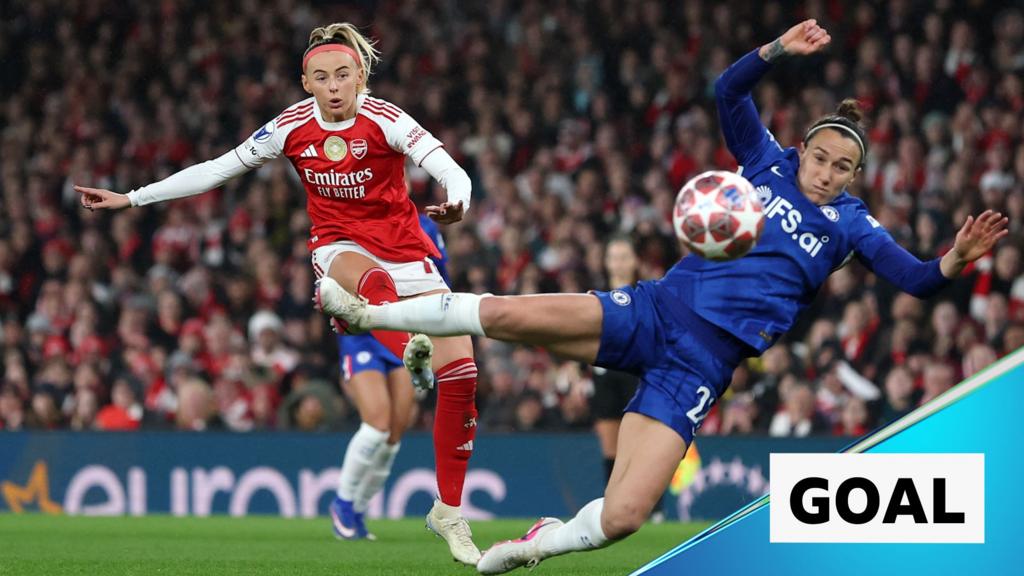
Photo by Rob Hampson
It didn’t really happen in a way you could point to. No big shift, no moment where things suddenly felt different. But if you sit through a game now and think about how people actually follow it, it’s not quite the same as it used to be.
The match is still the main thing, obviously. That hasn’t changed. It’s still on the biggest screen, still where the big moments land. But there’s usually something else going on at the same time, just sitting there in the background.
You notice it after a while. Someone checks their phone, not for long, just a few seconds, then looks back up. A bit later it happens again. Nobody really reacts to it, because it doesn’t feel like they’ve stepped away from the game. It’s more like they’re keeping up with something alongside it.
A lot of that comes from how much information is available while the match is still being played. Live stats, player movement, quick updates on how things are shifting, all of it ticking along in real time. Some fans also open apps through a Betway APK, not as something separate from the match, more like part of how they follow what’s happening as it unfolds. Platforms like Betway have leaned into that kind of behaviour, where everything sits together instead of pulling you away from the game.
The Tech Sitting Behind It
Most of what makes this work isn’t something you really notice while watching. Inside stadiums, there are systems tracking the game constantly. Players, ball movement, positioning, all of it gets picked up as the match goes on. That information is turned into data almost immediately, then passed through different systems that process it and send it out again to apps, broadcasts, and whatever people already have open.
The tech behind it has to be quick. If things lag even slightly, it breaks the feeling of everything happening together. That’s why a lot of it runs on cloud systems that spread the workload out instead of pushing everything through one place. It keeps updates coming through at the right time, even when a lot of people are following the same match.
From the outside it feels simple, which is probably the point. You open something, check it, and go back to the game without thinking about what’s happening underneath.
Watching Without Really Just Watching
What’s changed isn’t only the tech, it’s the way people sit with the game. The broadcast still shows the big moments, the goals, the calls, the reactions, but it doesn’t always fill in everything around them. So people started filling that in themselves, almost without realising it. A quick look at where chances are coming from, or how possession is shifting, or just something to check against what you think you’re seeing.
It doesn’t feel like switching between two things. It’s all part of the same flow. You glance down, pick something up, then you’re back with the game before it’s really registered as a separate action.
When One Screen Stops Being Enough
At some point, without anyone really deciding it, one screen stopped feeling like enough on its own. The broadcast still matters, it always will, but it doesn’t carry everything anymore. Once you get used to having that extra layer there, quietly updating beside the match, just sitting with the game on its own feels slightly off. Not in a dramatic way, just enough that you notice it, even if you wouldn’t stop to explain why.