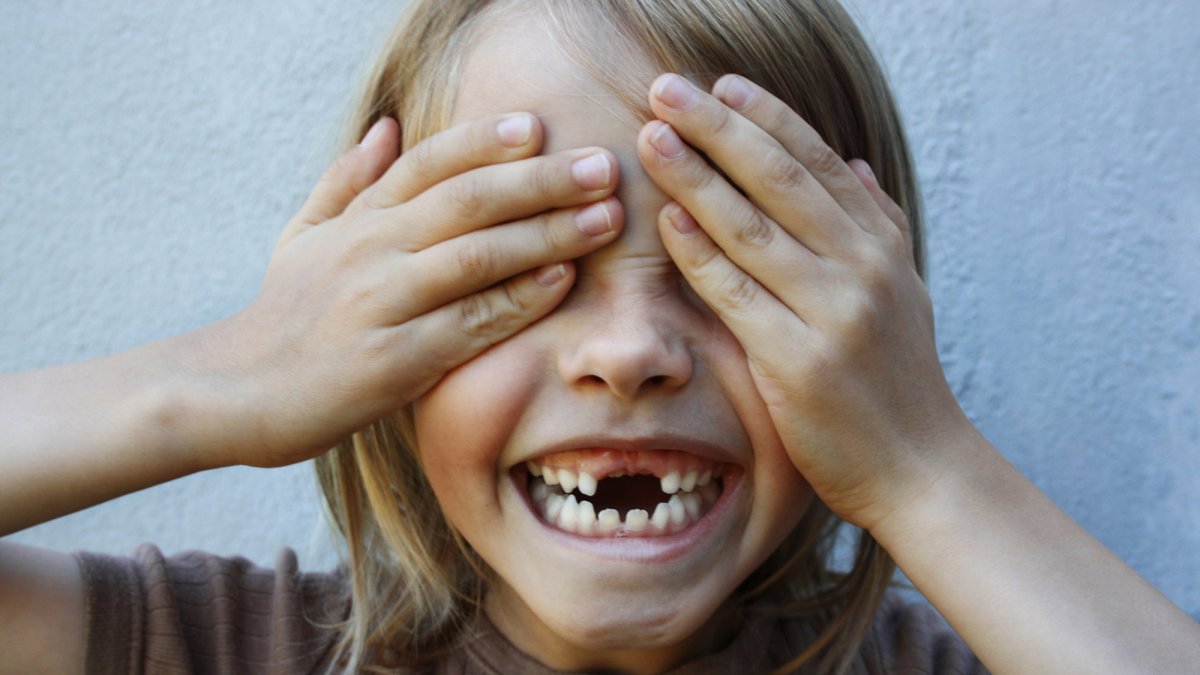

The emergence of baby teeth might be among new parents’ worst and best times. The days and weeks of fussy, sleepless nights as little ones struggle with teething pain are the downside. The adorable little white buds that appear for the first time in a baby’s grin, of course, are the reward.
But there’s far more utility to baby teeth—sometimes called primary teeth, deciduous teeth, or milk teeth—than just making babies even cuter than they already are. They play an important role in a child’s development. What’s more, emerging research also suggests baby teeth might even tell us something about a baby’s time in utero and, potentially, their future health.
Popular Science spoke with Dr. Priyanka Rao, a pediatrician with UNC Health and associate professor of pediatrics at UNC School of Medicine, about why baby teeth matter, what science tells us about them, and how parents can help keep these temporary teeth healthy.
How do baby teeth develop?
Baby teeth begin to form long before a baby is born. Around six weeks of gestation, tooth buds start to appear. By the third or fourth month, Rao says, the hard tissue that gives teeth their structure follows.
On rare occasions, babies are born with what look like teeth—called natal teeth—though Rao says they’re not the same as the real thing. Natal teeth typically fall out within the first month of life, making way for regular baby teeth to come in. “They are remnants of your embryologic development, way back in utero when that tooth bud formed,” Rao says. “It pushes out a little piece of bony gum, and that’s what that is.”
Related ‘Ask Us Anything’ Stories
Once a baby is born, teeth usually start to erupt between six to nine months of age. Typically babies will get either their bottom two middle teeth or top two middle teeth first, and then the teeth develop outward from there, Rao says. By age two, most kids have all 20 of their baby teeth.
Parents shouldn’t fret, though, if their 15-month-old has yet to cut their first baby tooth. Dentists don’t usually get concerned about a lack of baby teeth until a child is close to age two, Rao says.
“Even though we say six to nine months, there’s a lot of variability,” Rao says. Unlike other developmental milestones, which tend to follow a sequence, tooth eruption is one of the most random, she says.
What explains the randomness? “People think there’s a genetic component, but no one really knows,” she says.
What’s the purpose of baby teeth?
Baby teeth exist for some obvious and not-so-obvious reasons. They save space for permanent teeth, which begin to appear around age six or seven, and help ensure the jaw develops properly, Rao says. “Having those baby teeth there helps with the growth and development of our jaw bone.”
They also start cutting through gums around the time a baby needs them developmentally for eating and talking.
Baby teeth usually emerge just as babies begin to eat solid foods. “People used to call them weaning teeth because they come in at the time when you would start thinking about weaning from milk or bottles and start to use your teeth to be able to eat,” Rao says.
Teeth also play an important role in speech and tend to arrive right around the time some parts of language are developing, she says. The front top teeth, in particular, play an important role. They help young children produce stronger, harder sounds like the “t” in “teeth.”

Laugh with These Cute Kids Funny Talking Moments Best Reactions
Baby teeth help kids pronounce hard sounds, like the “t” in “teeth.” Video: Laugh with These Cute Kids Funny Talking Moments Best Reactions, @GeorgeChristmas
“We’re glad to have those baby teeth there because they help us move our tongue in our mouth and we can make different sounds based on where that is,” Rao says.
That’s why it’s important to monitor speech development in young children who suffer a serious mouth injury and lose baby teeth early. Speech may continue to develop normally, Rao says, but not always. “You may need speech therapy to learn how to make those sounds in your mouth,” she says.
What can baby teeth tell us?
Because baby teeth develop so early in pregnancy, researchers are exploring whether they offer a window into the mother’s health during pregnancy and even the baby’s future health. Some researchers are homing in on something that shows up in about 90 percent of baby teeth—faint lines, called neonatal lines, in the enamel.
A 2021 study published in JAMA Network Open found evidence that these lines may record what a mother experienced during pregnancy. Researchers found that children born to mothers who experienced depression, anxiety, or a history of psychiatric problems had wider neonatal lines. Children whose mothers reported strong social support had narrower ones.
The lines themselves are harmless, Rao says. But the idea is that elevated cortisol—the body’s primary stress hormone—may leave a physical imprint on developing tooth enamel. “People are making the link that mom’s stress was high, and the cortisol was high in the in utero environment, so that created that line on the teeth,” Rao says.
More research is needed, but scientists suggest that baby teeth that have fallen out could be collected at routine pediatrician or dentist visits and analyzed in specialized labs to identify children who might be at risk for mental health problems, possibly years before any symptoms appear.
How should parents care for baby teeth?
Caring for baby teeth should start when they emerge. Rao offered three tips:
- Start early: As soon as the first tooth appears, start brushing them with a soft bristle toothbrush and a tiny smear of fluoride toothpaste. Fluoride also can be applied by a pediatrician or dentist every three to six months, Rao recommended. Schedule a first dentist visit around age one.
- Keep them healthy: Early decay or cavities can force early removal, and without that placeholder, permanent teeth may come in crowded or misaligned, she says. Rao recommends limiting sugary liquids limiting sugary liquids and avoiding access to bottles all night long.
- Help out: It takes time to develop the skills and dexterity required to brush teeth well. Rao recommends parents help their kids brush their teeth through about the middle of elementary school. For ornery toddlers, who want to do everything themselves, Rao suggests giving them their own toothbrush to use while parents brush their teeth with a second one right alongside them.
“Parental support around hygiene is important,” says Rao. And so are those baby teeth.
In Ask Us Anything, Popular Science answers your most outlandish, mind-burning questions, from the everyday things you’ve always wondered to the bizarre things you never thought to ask. Have something you’ve always wanted to know? Ask us.

2025 PopSci Best of What’s New