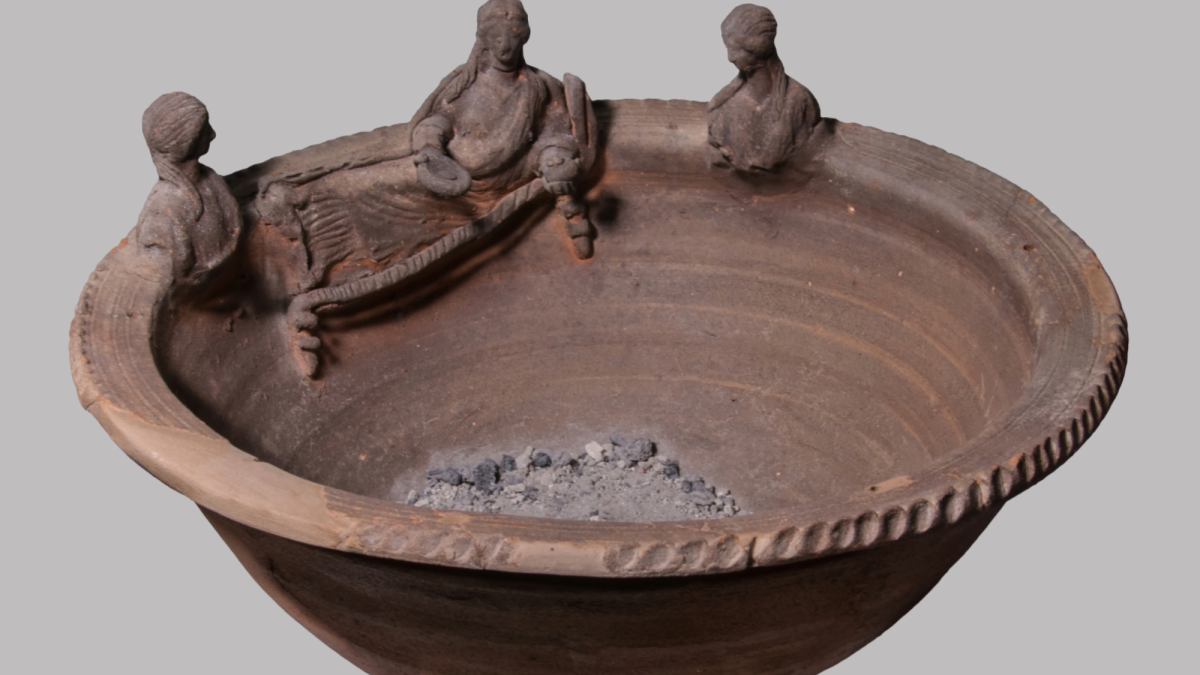

In 79 CE, one of the most infamous tragedies of antiquity rocked the coast of the Tyrrhenian Sea. Mount Vesuvius erupted, burying Pompeii beneath ash and pumice, preserving the ancient Roman city’s final moments in astounding detail.
The plaster casts of the victims are arguably the most famous Pompeiian remains, but the volcanic debris also preserved another revealing element—ash residues from incense burners in domestic altars.
In a paper recently published in the journal Antiquity, scientists analyzed ash from two incense burners from Pompeii and a nearby villa. Ancient Romans used these burners to present sacrifices to their pantheon of divinities. Inside, they found traces of more than just native plants.
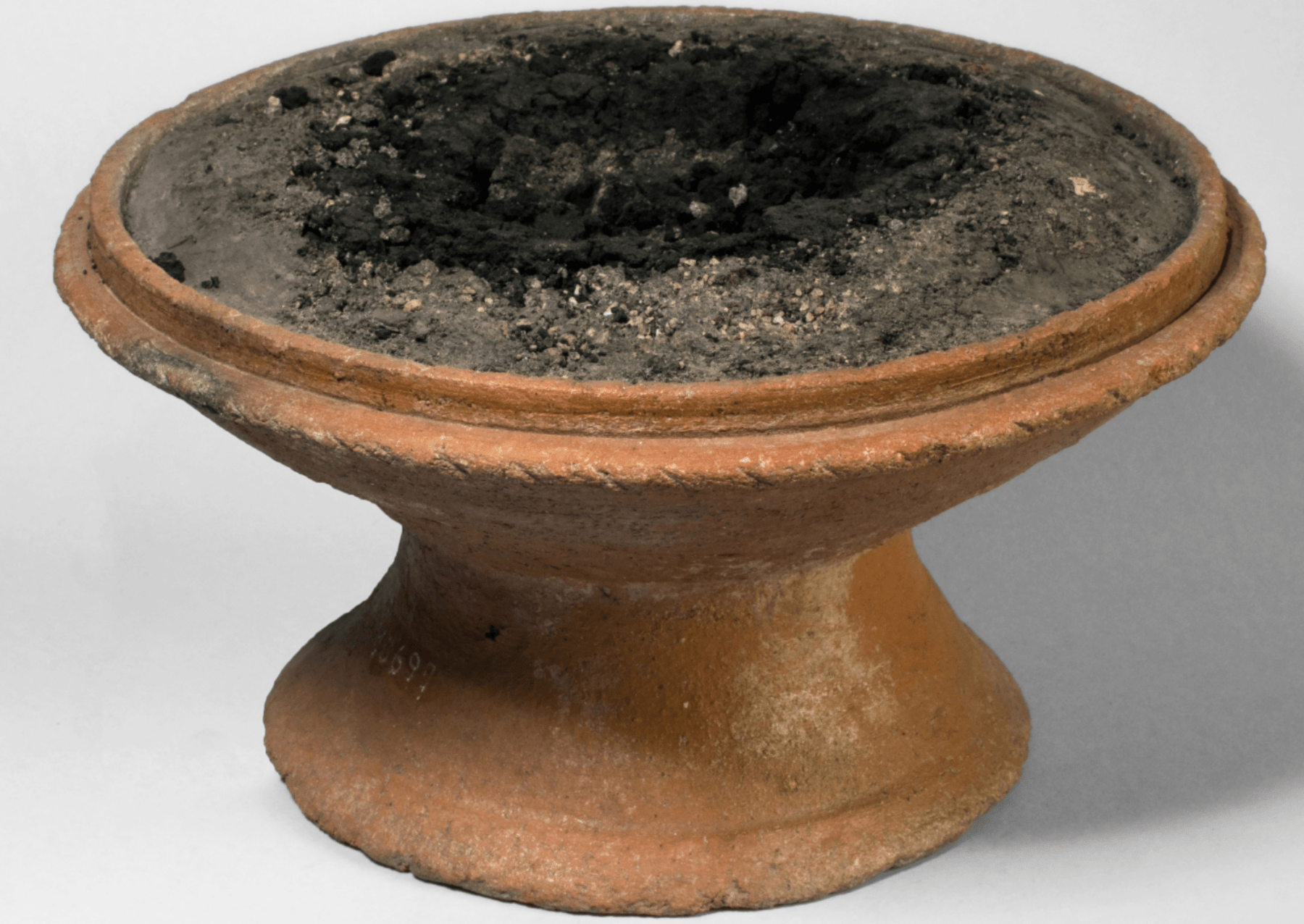
“We can now pinpoint which fragrances were actually burned in Pompeian domestic cult practices,” Johannes Eber, lead author of the study and an archaeologist at the University of Zurich, said in a statement. “Alongside regional plants, we found traces of imported resins – an indicator of Pompeii’s far-reaching trade connections.”
The findings include residues from a tree resin that likely originates from tropical African or Asian countries, suggesting that Pompeii participated in an extensive international trade network. The study represents the first scientific investigation of the contents that were burned in Pompeiian Roman incense burners. It also comes around the same time as a new permanent exhibition at the Pompeii Archeological Park, hosting a significant amount of organic remains, like wooden artifacts, foods, and plant residues.
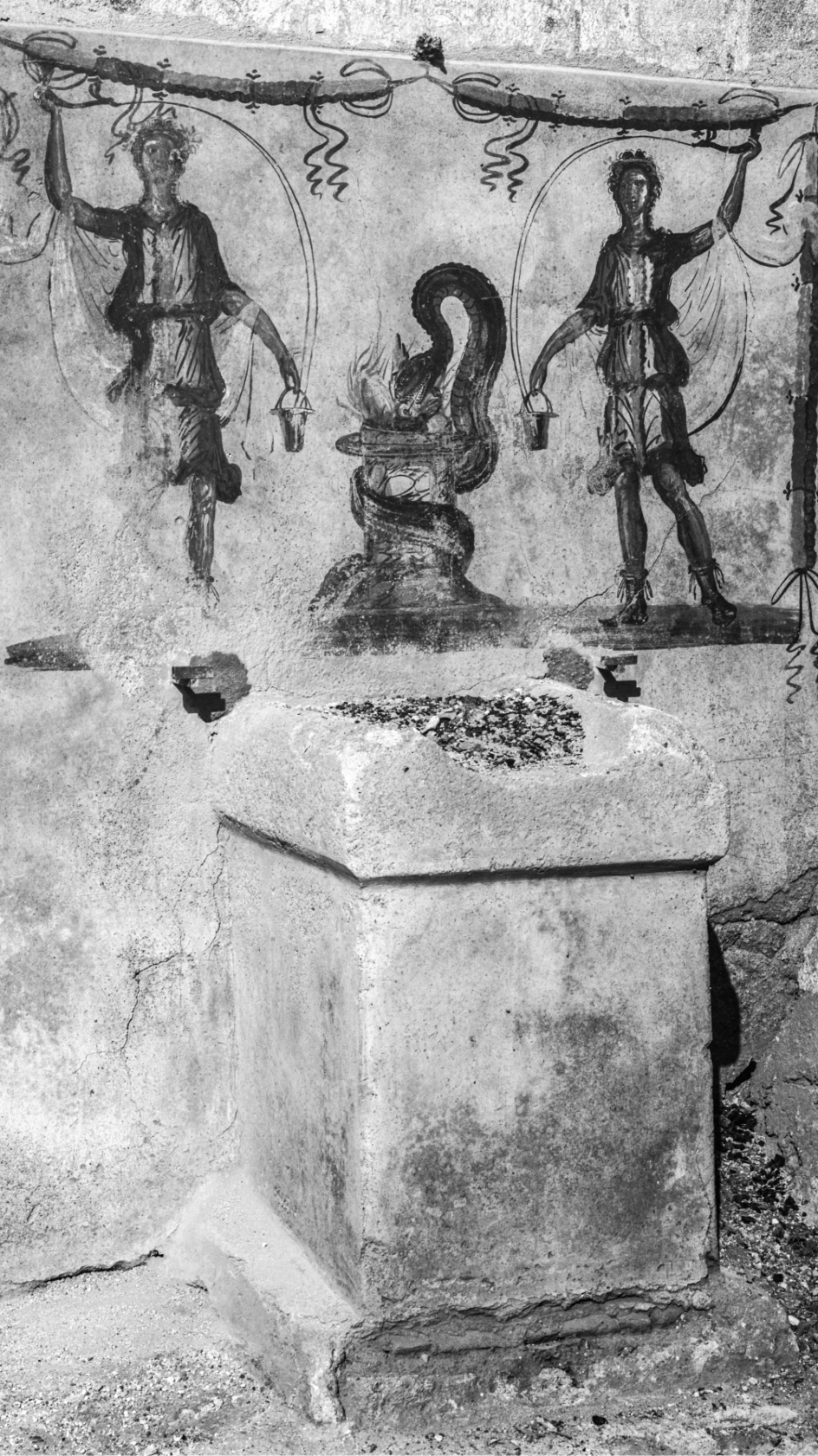
“Molecular analyses also point to a grape product in one of the incense burners,” added Maxime Rageot, a biomolecular archaeologist at Switzerland’s University of Bon. “This would be consistent with the use of wine in rituals as portrayed in Roman imagery and described in texts. At the same time, it demonstrates the importance of supplementing archaeological studies with scientific analyses.”
The smell of ancient Egyptian mummies has already been made available to the public. Maybe one day we’ll be able to smell the fragrance of a Pompeiian domus—an ancient Roman house.

2025 PopSci Best of What’s New