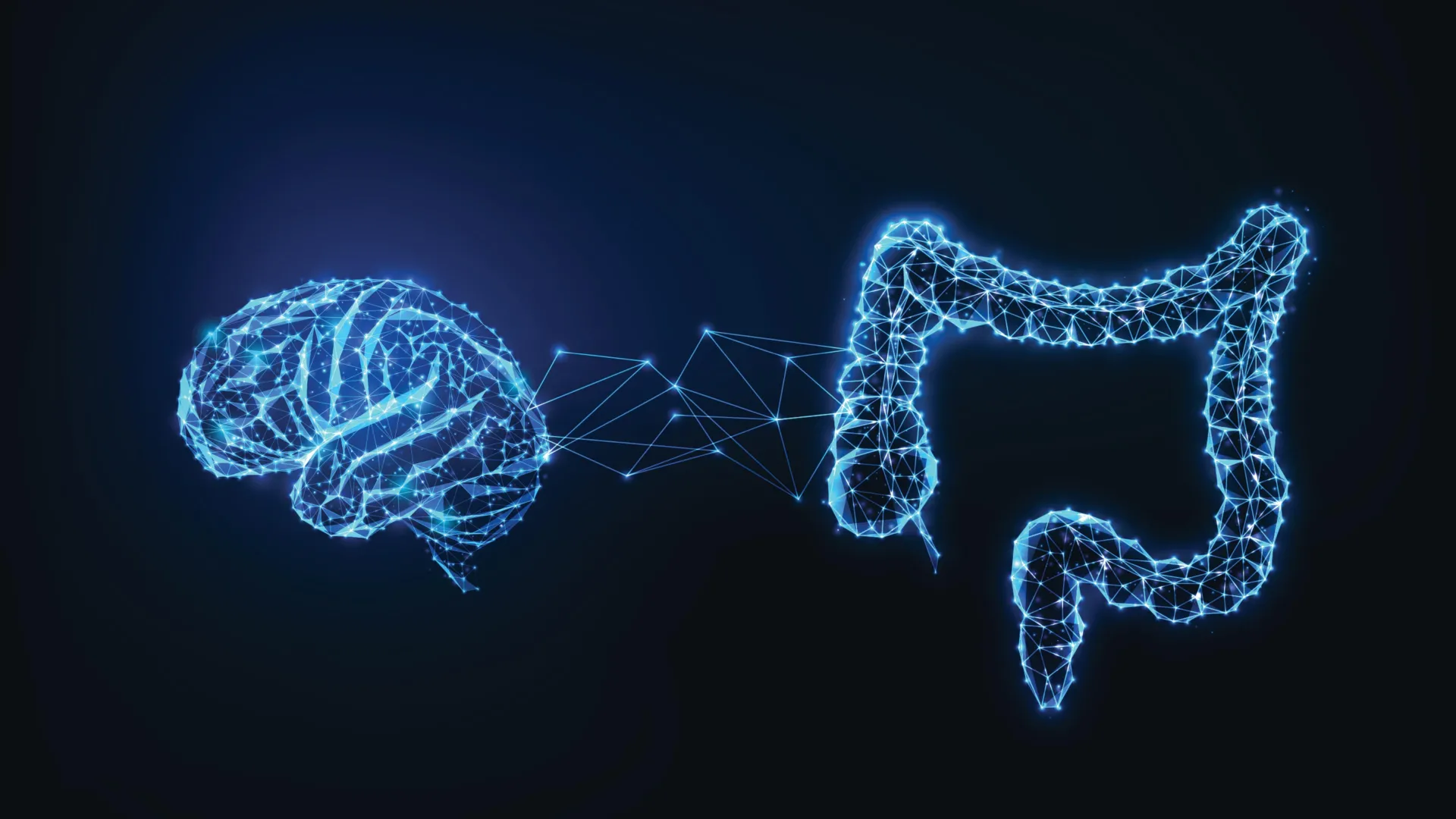

Researchers at Case Western Reserve University have uncovered a finding that could reshape how doctors approach two of the most devastating brain disorders. Their work points to an unexpected player in disease progression: gut bacteria.
The team identified a clear connection between microbes in the digestive system and brain damage seen in Amyotrophic Lateral Sclerosis (ALS) and Frontotemporal Dementia (FTD). They found that certain bacterial sugars can trigger immune reactions that kill brain cells, and importantly, they also identified ways to stop this process.
How ALS and FTD Affect the Brain
FTD primarily impacts the frontal and temporal regions of the brain, leading to changes in personality, behavior, and language. ALS, on the other hand, targets motor neurons, causing progressive muscle weakness that eventually leads to paralysis.
The underlying causes of both conditions are still not fully understood. Scientists have explored a range of possible factors, including genetics, environmental exposures, brain injuries, and diet.
A Gut-Brain Mechanism That Explains Disease Risk
The study, published in Cell Reports, helps answer a long-standing question about why some people develop these diseases while others do not. Researchers uncovered a molecular pathway that links gut activity to brain damage, particularly in people with certain genetic mutations.
“We found that harmful gut bacteria produce inflammatory forms of glycogen (a type of sugar), and that these bacterial sugars trigger immune responses that damage the brain,” said Aaron Burberry, assistant professor in the Department of Pathology at the Case Western Reserve School of Medicine.
Among the 23 ALS/FTD patients studied, 70% had elevated levels of this harmful glycogen. In contrast, only about one-third of individuals without these diseases showed similar levels.
New Treatment Targets and Hope for Patients
These findings could have immediate clinical relevance. By identifying harmful gut sugars as a driver of disease, researchers now have new targets for treatment. The study also highlights potential biomarkers that could help doctors identify patients who may benefit from therapies focused on the gut.
The results open the door to new treatments aimed at breaking down these damaging sugars in the digestive system. They also support the development of drugs designed to act on the connection between the gut and the brain, offering hope for slowing or preventing disease progression.
Alex Rodriguez-Palacios, assistant professor in the Digestive Health Research Institute at the School of Medicine, said the team was able to reduce these harmful sugars in their experiments, which “improved brain health and extended lifespan.”
Why Some Genetic Carriers Develop Disease
The discovery is especially important for people with the C90RF72 mutation, the most common genetic cause of ALS and FTD. Not everyone with this mutation develops disease, and this research helps explain why.
The findings suggest that gut bacteria act as an environmental trigger, influencing whether the disease develops in genetically at-risk individuals.
Unique Research Methods Enabled the Breakthrough
The research was made possible by advanced laboratory methods at the university’s Department of Pathology and Digestive Health Research Institute. Scientists used germ-free mouse models, which are raised in completely sterile conditions without any bacteria. This approach allows researchers to isolate the effects of specific microbes on disease.
The program is led by Fabio Cominelli, Distinguished University Professor and director of the Digestive Health Research Institute. It relies on an innovative “cage-in-cage” sterile housing system developed by Rodriguez-Palacios, a rare capability that enabled this work.
This setup allows for large-scale studies of the microbiome, making it possible to investigate how the gut and brain communicate. Traditional methods typically limit researchers to studying only a small number of animals at a time.
Next Steps and Potential Clinical Trials
“To understand when and why harmful microbial glycogen is produced, the team will next conduct larger studies surveying gut microbiome communities in ALS/FTD patients before and after disease onset,” Burberry said. “Clinical trials to determine whether glycogen degradation in ALS/FTD patients could slow disease progression are also supported by our findings and could begin in a year.”