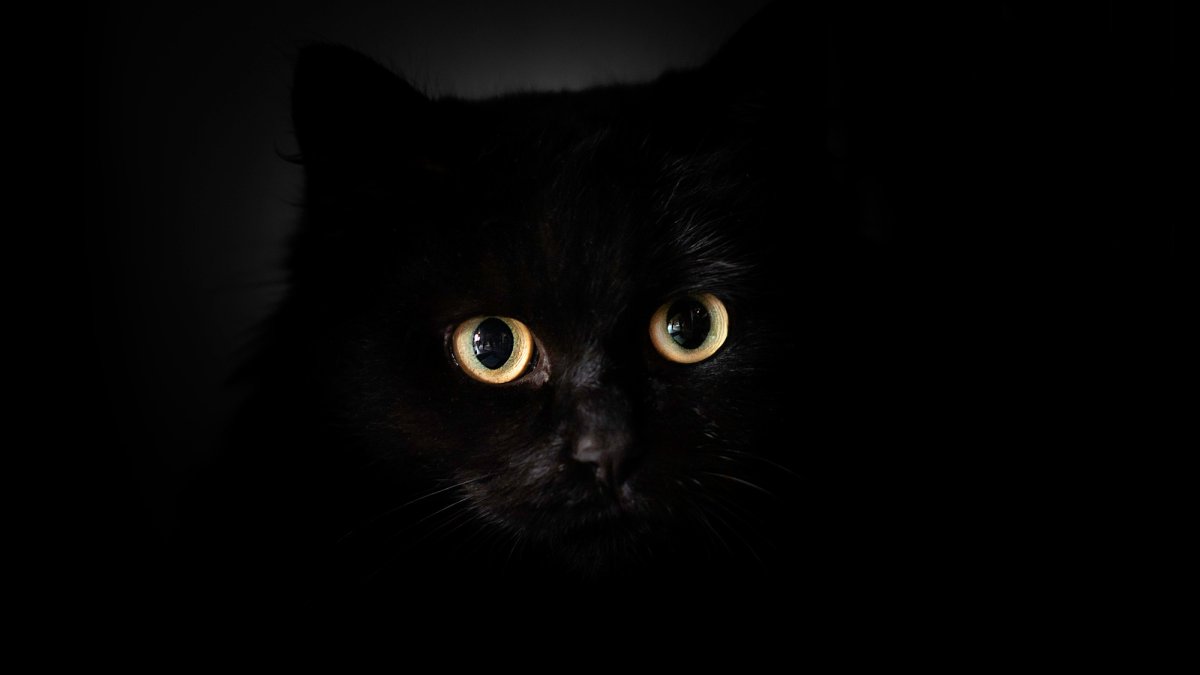

One foggy night in 1933, a businessman named Percy Shaw was driving home from the pub in Yorkshire, England. The road was twisty and hard to see. Suddenly, two bright dots flashed back at him from the roadside. Percy slammed on the brakes.
The glowing dots belonged to a cat—and they probably saved his life. If he’d kept driving, he could have gone straight off the road.
That’s when Percy got his eureka moment. What if roads could “shine back” at drivers the same way cats’ eyes do? Within a year, he had invented Catseye® reflectors—those studs you still see embedded in roads today. They bounce your own headlights back at you, helping you see where you’re going in the dark.
But why do cats’ eyes glow like that?
Ancient Egyptians believed that a cat’s eyes held the sun after sunset, giving them their shiny nighttime look. The real reason was discovered less than a hundred years ago, in 1929, and it was even later that scientists understood how this feature affects vision.
Why cats’ eyes glow in the dark
All eyes—including yours—have a retina. The retina is a thin layer at the back of your eye that absorbs light and turns it into signals your brain can understand. Think of it like a transparent, light-catching screen.
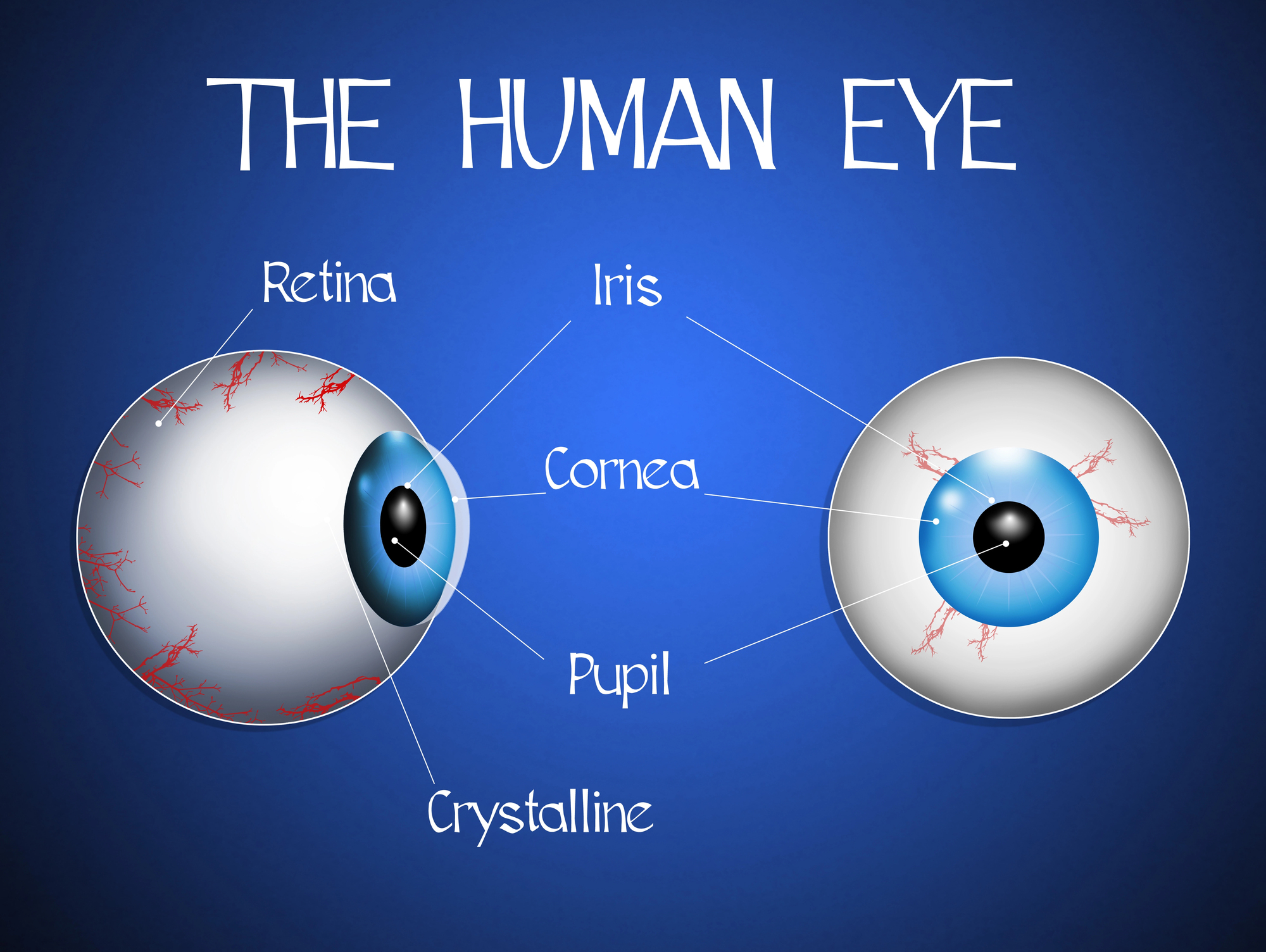
Behind a cat’s retina is a mirror-like layer called the tapetum lucidum. Humans don’t have this. When light enters a human eye and isn’t absorbed by the retina, it’s not used.
But in a cat’s eye, light that passes through the retina without being absorbed hits the tapetum lucidum, which reflects it back through the retina. This gives the retina a second chance to capture the light. The glow you see in cats’ eyes at night is actually light bouncing off the tapetum lucidum.
Inbuilt night-vision goggles
Thanks to this feature, cats have significantly better light sensitivity than humans, meaning that their eyes can pick up even the smallest amount of light. They can see in light so dim it looks pitch-black to us—a very useful ability for animals that do a lot of their hunting at night.
Cats aren’t the only animals with a tapetum lucidum. Cows, sheep, goats, and horses have it, possibly for spotting predators in dim light. Fish, dolphins, and whales rely on it to see in dark, murky water.
On the other hand, squirrels, pigs, and most primates—including humans—don’t have it because they’re active during the day and don’t need night vision.
(Interestingly, most dogs have a tapetum lucidum, but it is sometimes missing in dogs with blue eyes and small domesticated breeds.)
New technology inspired by cats’ eyes
Just like Percy Shaw did in the 1930s, modern-day scientists are borrowing ideas from cats’ eyes.
Dr. Young Min Song, a professor of electrical engineering at Korea Advanced Institute of Science and Technology, recently designed a camera inspired by feline eyes.
“Cats’ eyes have long fascinated me,” Song tells Popular Science, “particularly their ability to see clearly across extremely wide lighting conditions—from bright daylight to near darkness.”
It was the tapetum lucidum that initially gave Song the idea of designing a camera with a reflective layer to improve photos and videos taken in low-light conditions. This is “a beautifully simple yet powerful strategy for enhancing light sensitivity without additional energy consumption,” he says.
As Song expected, the camera showed enhanced sensitivity in low-light conditions thanks to the artificial reflector inspired by the tapetum lucidum.
Then he decided to add another feature: a slit-shaped opening that mimics a cat’s vertically-elongated pupil.
Why cats have slit-shaped eyes
In bright daylight, cats’ pupils squeeze down into thin vertical slits to block out extra light and protect the sensitive retina. The vertical shape also sharpens the outlines of objects, helping cats judge distance with incredible accuracy—an essential skill when stalking and ambushing prey.
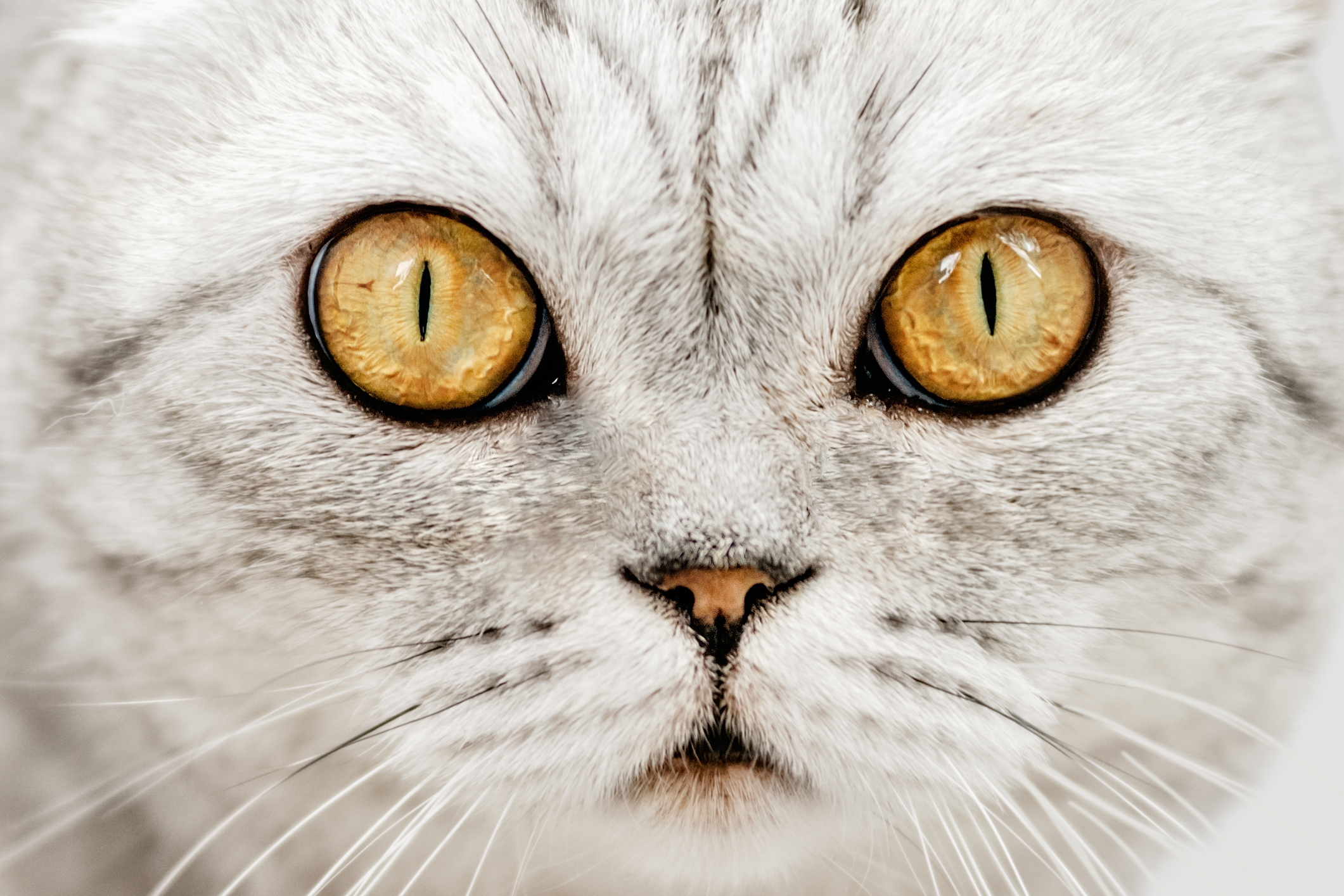
While Song expected the reflective layer inspired by cats’ tapetum lucidum to help the camera in low light conditions, he was astonished by how applying a cat’s slit-shaped eyes also helped the camera.
“What surprised us most, however, was how effectively the vertical-pupil–inspired aperture helped break camouflage in complex scenes,” he says. In other words, it was great at spotting objects that would normally blend into the background when viewed through traditional cameras.
Song believes cats’ eyes may inspire more innovation.
“Beyond cameras, similar principles could be applied to robotic vision, autonomous systems, and even wearable or surveillance devices that must operate reliably in both bright and dim environments.”
Percy Shaw’s road studs have helped save countless lives. Who knows what future cat-inspired technology might do?
In Ask Us Anything, Popular Science answers your most outlandish, mind-burning questions, from the everyday things you’ve always wondered to the bizarre things you never thought to ask. Have something you’ve always wanted to know? Ask us.
Related ‘Ask Us Anything’ Stories

2025 PopSci Best of What’s New