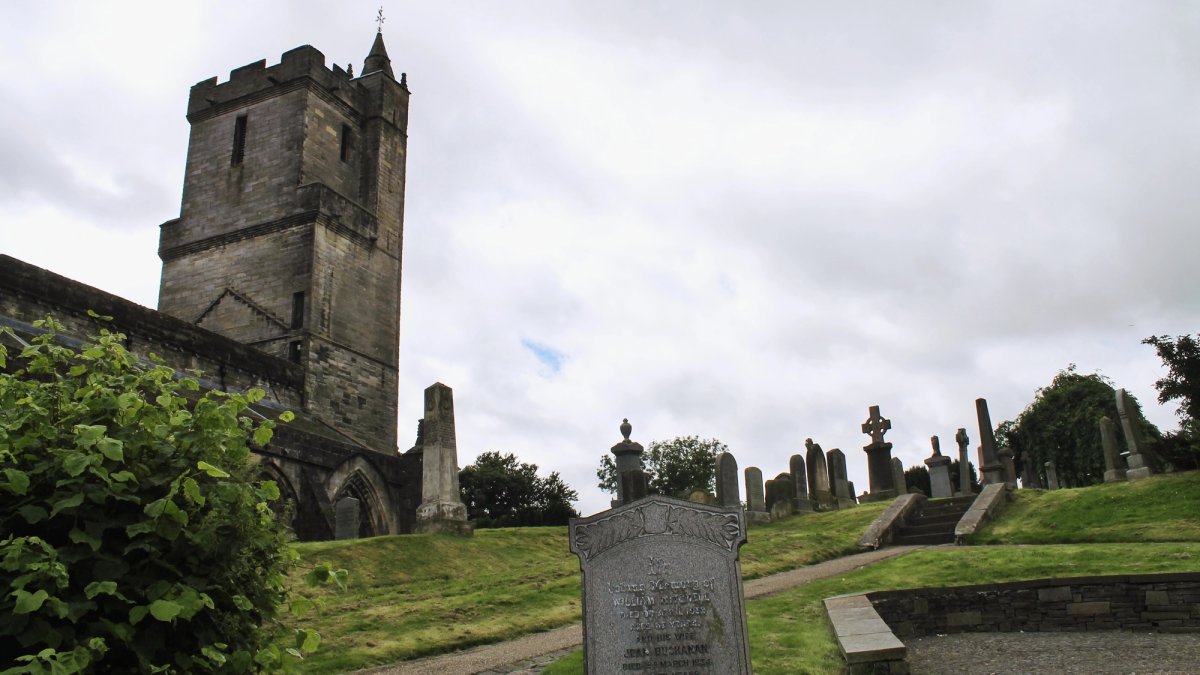

Wealth confers privilege, and for many people during the Middle Ages, this privilege extended into the afterlife. For centuries, rich Christians often flaunted their money by purchasing gravesites as close to their church as possible. The trend often mirrored their relationship with religion before their deaths, too—nobility and knights frequently ensured they sat in the front pews of services.
Money is only one facet of social relations, however. Communities have long discriminated against and ostracized residents with debilitating illnesses—especially those with outward physical effects. And in Europe, the medieval era was particularly disease-ridden.
But what happened when money and social stigma collided? To find out, an international research team recently surveyed skeletal remains from five medieval cemeteries in Denmark—three in urban areas and two in rural regions. They were especially interested in identifying bodies with clear indications of two of the era’s most prevalent and highly infectious diseases: tuberculosis and leprosy. Although a person can host a tuberculosis infection for years without exhibiting any visible symptoms, leprosy’s effects are far more obvious and quickly apparent. During the Middle Ages, leprosy was also frequently associated with sinfulness due to biblical underpinnings.
Researchers from the University of South Dakota and the University of Southern Denmark theorized that individuals with clear signs of either disease were likely interred further from a church regardless of social class. But as they explain in a study published today in the journal Frontiers in Environmental Archaeology, this doesn’t seem to be the case. Wealthier individuals were still frequently buried closer to churches, but multiple communities also interred their people next to one another regardless of disease.
Archaeologists reached their conclusions after reviewing 939 adult skeletons. They first mapped each burial location before their examinations, noting any privileged status indicators like burials inside religious structures. From there, they assessed the remains for signs of either disease. Leprosy, for example, shows itself in damage from facial lesions as well as secondary infections on the hands and feet. Meanwhile, tuberculosis leaves its mark on bones and joints near the lungs.
Tuberculosis was especially prevalent in all five communities. While wealthier people often boasted impressive burial sites, there was no link between disease and grave location. In one urban cemetery, 51 percent of high-status individuals displayed tuberculosis complications. Researchers also determined people with leprosy were buried across the social spectrum.
The authors noted that their study’s implications aren’t necessarily applicable across all of medieval Europe. In this case, they focused on very strict diagnostic criteria and confined their survey to one country. Still, the evidence indicates there were exceptions to the rule—especially if you were wealthy.
“When we started this work, I was immediately reminded of the film Monty Python and the Holy Grail, specifically the scene with the plague cart. I think this image depicts our ideas of how people in the past—and in some cases today—respond to debilitating diseases,” University of South Dakota archaeologist and study co-author Saige Kelmelis said in an accompanying statement. “However, our study reveals that medieval communities were variable in their responses and in their makeup.”

2025 PopSci Best of What’s New