
The public remains ever-curious about Hollywood romances, from ones that seem like they’ll last into old age to brief flings that people suspect will be over before the next news cycle. Watching celebrities navigate life in the spotlight has led many of us to cast our bets on who will stay together and who will break up. Everyone has theories, but these are the couples who we think have some staying power and are in it for the long haul.
1. Sarah Michelle Gellar and Freddie Prinze Jr.
This epic ’90s couple started their relationship in 1997 when they met on the set of “I Know What You Did Last Summer.” As of 2026, they’ve been married for almost 24 years and have two children together. They’ve been open about the hard work it takes to maintain a marriage, especially in the spotlight, and we don’t think they’re ready to throw in the towel anytime soon.
2. Zendaya and Tom Holland
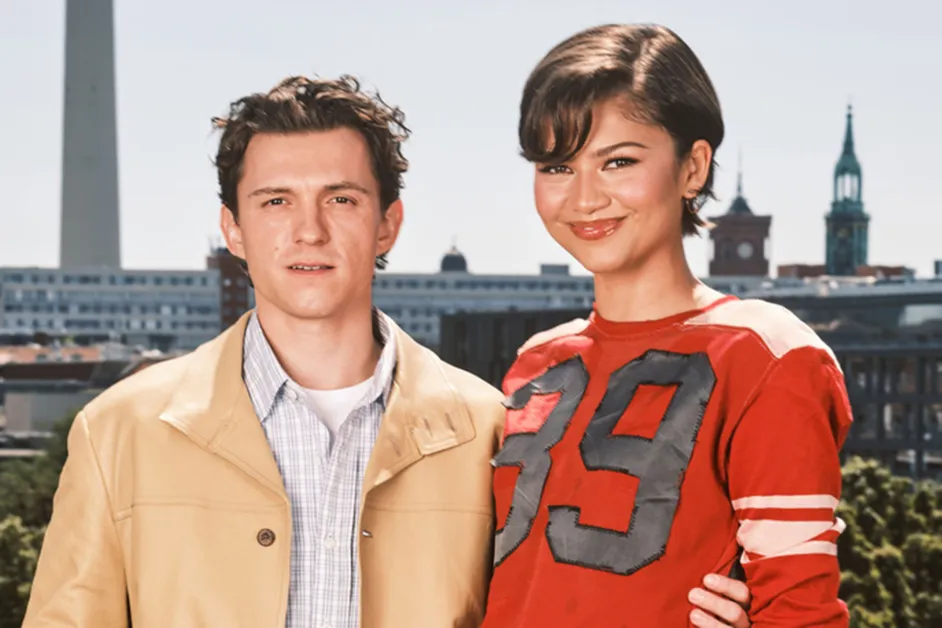
While these two haven’t been together as long as some of Hollywood’s most famous couples, there’s something about them that makes us believe they’re going to last (or at least hope they will). They first met around 2016 on the set of “Spider-Man: Homecoming” but denied dating. However, in 2021, they were seen kissing, and in 2026, they secretly got married. Their dedication to protecting their relationship and their privacy has us thinking this won’t crash and burn.
3. Emily Blunt and John Krasinski
After they met through mutual friends in late 2008, these two fell fast for each other. In 2009, they got engaged and married just a year later in a beautiful ceremony held at George Clooney’s massive 19th-century lakeside estate in Lake Como, Italy. The couple now has two daughters, and with their low-drama vibes, we see many years of happiness in their future.
4. Eva Mendes and Ryan Gosling
These stunners are known for keeping their relationship extremely private, setting the blueprint for Tom and Zendaya years later. Keeping the paparazzi and media out of their business is probably a major reason why they’re still together. They started dating after meeting on the set of “The Place Beyond the Pines” in 2011, and while they have started referring to each other as husband and wife, they have never publicly confirmed that they married. They have two daughters.
5. Blake Lively and Ryan Reynolds
They’ve stuck with each other through the many ups and downs of life (including an ugly lawsuit with Lively’s co-star Justin Baldoni) and are still going strong. The couple met in 2010 on the set of “Green Lantern” while they were in relationships with other people, and in late 2011, they started dating. They married in 2012 in a private ceremony that took place in South Carolina and have four children together.
6. Ciara and Russell Wilson
Ciara started dating football player Russell Wilson in 2015 and got engaged the following year. Their 2016 wedding took place at Peckforton Castle in England. As of 2026, they’ve been married for a decade and have a blended family with four children, one of whom is Ciara’s son from a previous relationship. The couple credits their Christian faith as being central to their marriage and family.
7. Elsa Pataky and Chris Hemsworth
In 2010, this couple met through Chris Hemsworth’s talent agent. They started dating soon after and married just months later in 2010. While that might raise an eyebrow for some, the couple has been together for over 15 years, showing that they really are soulmates. They share three children, and despite going through complicated times with their demanding careers, they’ve always managed to come back to each other.
8. Kristen Bell and Dax Shepard
After meeting at a birthday party for a mutual friend in 2007, these two felt a spark and started dating. After only a few months in their relationship, they split for a bit but came back together stronger than ever. They married in 2012, and as of 2026, have been married for more than 12 years and have two children together. They’ve been very vocal about believing in therapy, which is one of the tools that has helped them stay together for so long.
9. Priyanka Chopra and Nick Jonas
These two have weathered quite the media storm over the years, receiving backlash over Chopra being significantly older than her boy-band beau. They met at the Met Gala in 2016 and went public with their relationship in 2017, celebrating their union with multiple ceremonies in India that involved both Hindu and Western traditions. They had a child via surrogate in 2022. Nothing has come easy to this couple, but they’ve stayed with each other through it all.