Everything to know about Brendan Sorsby’s upcoming trial and why the controversy is still far from over

Bullet point summary by AI
- Texas Tech quarterback Brendan Sorsby won an injunction to play in 2026 despite violating NCAA gambling rules, delaying his trial until 2027.
- Sorsby admitted to wagering $90,000, including on his own former team, but blames the NCAA for neglecting his diagnosed gambling addiction.
- The case threatens the integrity of college sports and could strip the NCAA of its regulatory power if the courts rule in Sorsby’s favor.
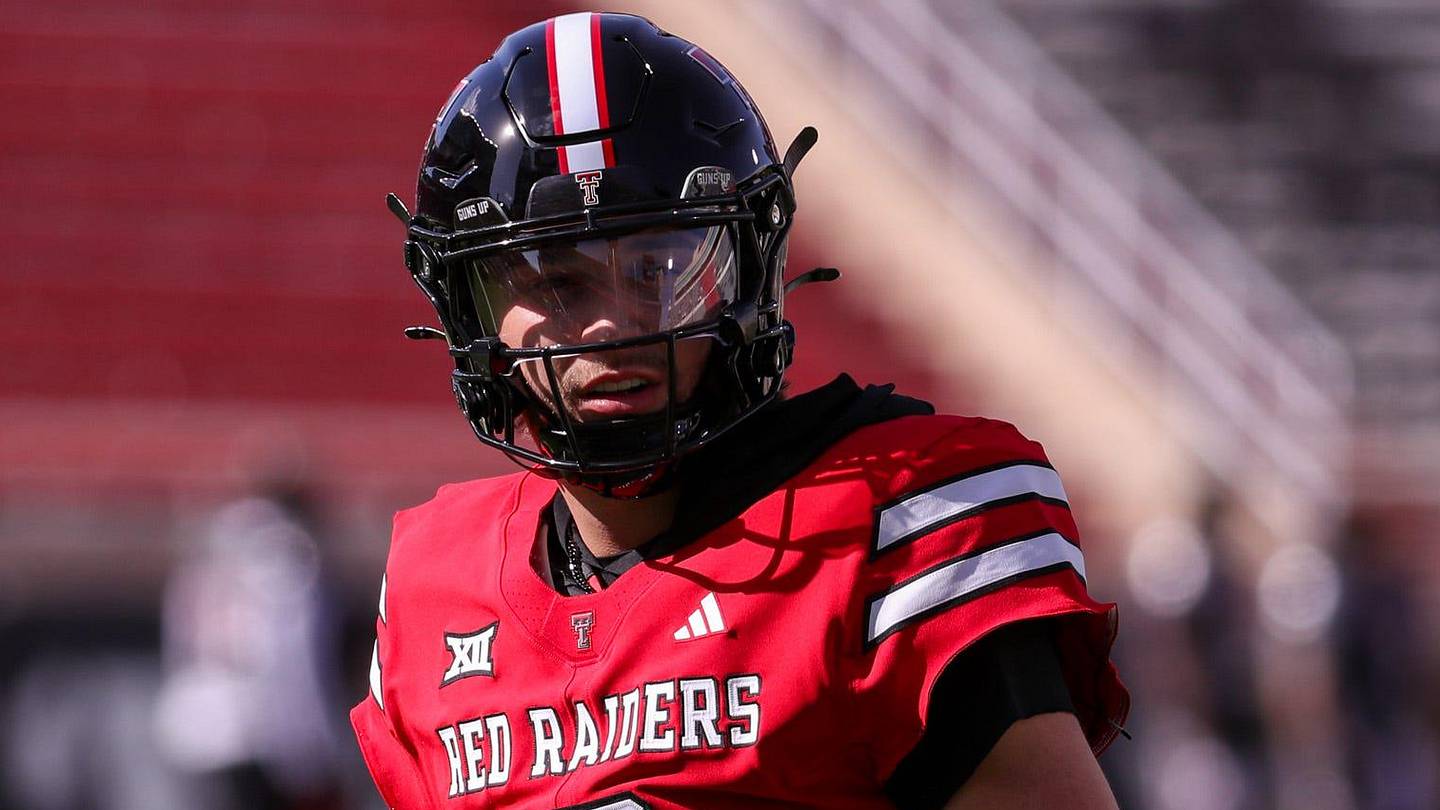
Texas Tech quarterback Brendan Sorsby has become Public Enemy No. 1 in college football and his day in court won’t come until long after his final season—which he shockingly won back eligibility for on Monday—ends. The 99th District Court, conveniently located in Lubbock, Texas, scheduled Sorsby’s trial vs. the NCAA for Feb. 8, 2027. That’s two weeks after the College Football Playoff National Championship will have been played.
Another Texas judge granted Sorsby’s request for an injunction against the NCAA ruling him ineligible to play in 2026 due to gross violations of its anti-sports gambling rules. Sorsby admitted to wagering roughly $90,000 while a student-athlete, including on games involving his own team (the Indiana Hoosiers at the time).
What to know about Brendan Sorsby’s lawsuit against the NCAA
The ruling that lifted the NCAA’s injunction against Sorsby has been appealed by the college sports governing body. That means the Red Raiders could still be without their starting quarterback for more than the first two games of the year—the punishment recommended by Sorsby’s lawyers. However, Sorsby’s complaint against the NCAA has yet to be adjudicated.
The 22-year-old alleged the NCAA neglected his mental health and his medically diagnosed gambling addiction was a result of said negligence. On the surface, it’s a flimsy argument at best, but given Monday’s incredulous—arguably crooked—ruling, nothing can be ruled out from this highly anticipated trial.
At the heart of the case will be the NCAA’s “hypocritical” relationship with sports gambling, as Sorsby’s lawyers put it. This is one strong pillar of his case, as the NCAA has embraced the commercial value of legalized sports gambling while preventing student-athletes from partaking or claiming their share of that pie. The other side of the issue is the compromised integrity of the game now that the U.S. judicial system has essentially endorsed the behavior.
A panel of four justices—all Texas Tech law school grads, it should be noted—will hear this case and decide whether Sorsby’s allegations have merit. That fact alone should concern anybody interested in the proper carriage of justice.
Why the Brendan Sorsby saga is far from over as Big 12 weighs action
If the judiciary won’t make things right, it appears Texas Tech’s home conference is poised to impose what consequences it can. On Tuesday, multiple athletic directors aired grievances with conference commissioner Brett Yormark and everyone but Texas Tech’s Kirby Hocutt (of course) seems to agree Sorsby shouldn’t be eligible. However, no immediate action was decided upon.
“We had a thoughtful and productive conversation with our athletics directors today as we continue to work through the broader implications of this situation,” Yormark said in a statement to ESPN. “Many of our athletics directors voiced their opinions. We will continue to have open and honest dialogue amongst the group and until there is something to report, these conversations will remain within the conference.”
“This situation is hard, it is new, and there is no perfect answer,” Hocutt wrote in a lengthy statement posted to X on Wednesday. “Our role has been to support [Sorsby’s] recovery, not to engineer his eligibility.”
The Big 12 has limited options as to how it could handle Texas Tech allowing Sorsby to play during the 2026 campaign. Bylaw 3.6 gives it autonomy over discipline like “prohibitions on appearance in postseason events or televised events, restrictions on revenue distributions and limitations on recruiting or scholarships.”
On the other hand, schools themselves—even outside the Big 12—have begun the process of banning any kind of scheduled competition with Texas Tech, essentially sanctioning the Red Raiders for harboring the admitted sports gambler. This pressure tactic is probably the strongest hand any program has and can last a lot longer than any official punishment handed down in the next few months.
This drama is going to drag on throughout the 2026-27 campaign and will likely have ramifications beyond it, especially if the courts continue to rule in Sorsby’s favor.
More college football news and analysis:
 Add us as a preferred source on Google