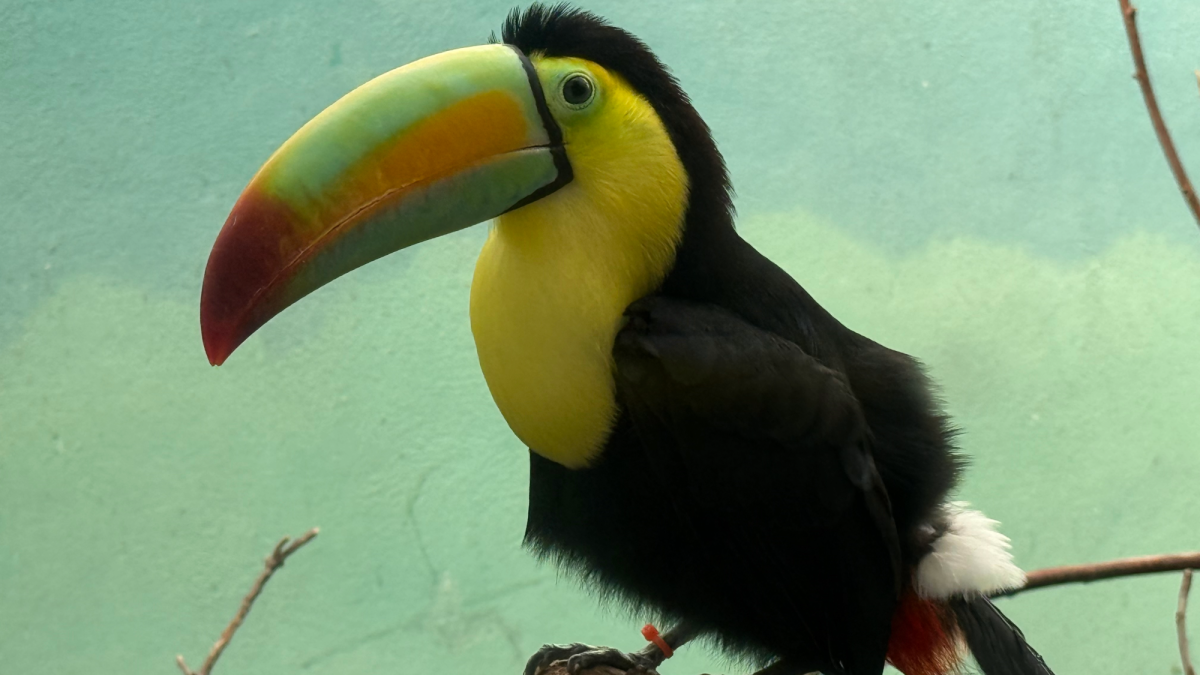

Over a dozen keel-billed toucans (Ramphastos sulfuratus) that were found stuffed inside of a vehicle’s dashboard officially have a clean bill of health. The birds were rescued from the illegal wildlife trade at the United States-Mexico border at California’s Otay Mesa Port of Entry in “extremely poor conditions,” according to a statement e-mailed to Popular Science.
Keel-billed toucans, also known as rainbow-billed toucans, are large black birds with bright yellow chests and faces that live in subtropical and tropical rainforests in Central America and northern South America. Though the IUCN Red List classifies them as Near Threatened (which is just one step below Least Concern), the species is highly desired in the global pet trade. The birds are protected by the Convention on International Trade in Endangered Species of Wild Fauna and Flora (CITES) as Appendix II species. In other words, trading the species is strictly regulated.

Keel-billed toucans
“This highlights the ongoing problem of illegal trade in live wildlife for the global pet trade, which harms species’ populations in the wild, undermines the rule of law, and harms the conservation programs of countries where the species are native,” said Susan Lieberman, Vice President, International Policy with the Wildlife Conservation Society (WCS).
The 14 sequestered toucans consist of 10 males and four females, and were found sedated and tied up. They were brought to the WCS’ Bronx Zoo in New York City last summer, and all showed evidence of serious stress, metabolic issues, and malnutrition—which caused fractured legs. After months of care, the zoo has successfully rehabilitated the mistreated birds.
“These toucans arrived in a severely compromised state after enduring stressful and inhumane conditions during illegal transport,” explained Chuck Cerbini, Curator of Ornithology at the Wildlife Conservation Society’s Bronx Zoo. “Thanks to the dedication of our animal care and veterinary teams, we were able to stabilize and rehabilitate them.”
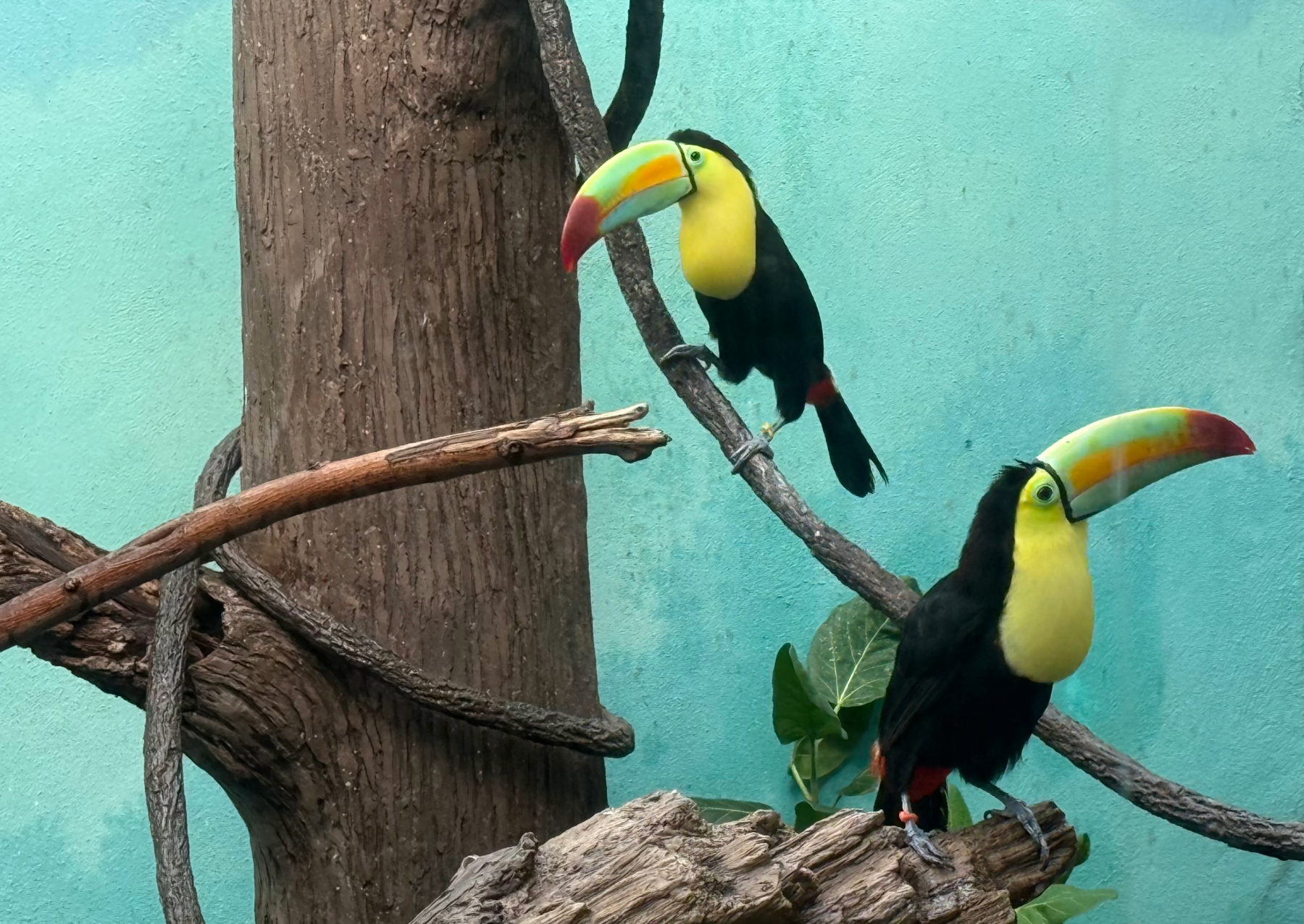
Once the birds had all recovered, the zoo worked with an Association of Zoos and Aquariums (AZA) Species Survival Plan® program to find them long-term homes. Unfortunately, birds that have endured such conditions cannot be released back into the wild. While four of the birds will stay at the Bronx Zoo, 10 have been sent to AZA accredited institutions.
“The Association of Zoos and Aquariums’ Wildlife Confiscations Network supports law enforcement at the point of confiscation, helps guide animals through recovery, and coordinates placement across vetted facilities when they cannot be returned to the wild,” said Sara Walker, Senior Advisor on Wildlife Trafficking at the Association of Zoos and Aquariums. “While not every case has a happy outcome like this, we’re thrilled to see these toucans healthy and now placed across seven AZA-accredited institutions.”

2025 PopSci Best of What’s New