
Establishing a long-term human presence on the moon is a daunting challenge. Daunting—but not impossible. One way to help prepare for our imminent arrival is to gain a better understanding of the frequency and effects of meteorite strikes on the lunar surface. NASA isn’t only relying on its brave squadron of astronauts like the recently returned Artemis II crew to do the work, however. They need help from anyone willing to spend some time gazing up at the moon from here on Earth. For those ready and willing citizen scientists, it’s time to contribute to the ongoing Impact Flash endeavor.
Earth is bombarded by tiny meteorites every day, but only a fraction of them actually survive their fiery passage through our home planet’s atmosphere. The moon isn’t so lucky.. Astronomers estimate around 100 meteoroids the size of ping-pong balls strike the lunar surface every day, each impact releasing the equivalent energy to seven pounds of dynamite. If that weren’t enough, a meteor with at least an eight-foot diameter plows into the moon with the force of about a kiloton’s worth of TNT roughly once every four years.
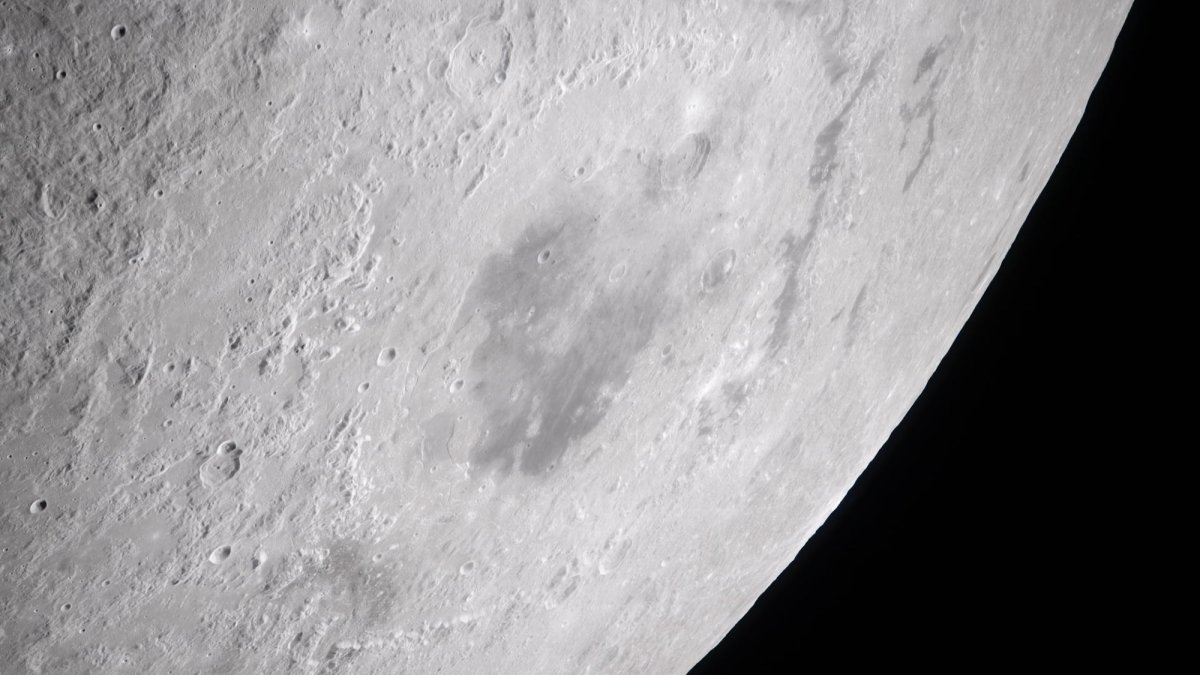
If humans want to have a long-term presence on this meteor-filled satellite, designing the best, most resilient lunar base possible requires a comprehensive analysis of the moon’s relationship with meteoroids. One way to assess the situation is by monitoring and measuring events called impact flashes. As the NASA-funded group called Geophysical Exploration of the Dynamics and Evolution of the Solar System (GEODES) at the University of Maryland explains, impact flashes are “split-second flares of light” caused when meteoroids strike the moon’s dark side.
The Artemis II astronauts scored front-row seats to a handful of these moments while completing their historic lunar flyby on April 6. Their subsequent visual and equipment data is now helping astronomers understand present-day impact rates, as well as how that may change over extended periods of time. But to truly learn about these occurrences, they need much more source material.
That’s where Impact Flash comes into play. Organizers are asking anyone with a powerful enough telescope to point it at the moon’s darkened hemisphere and wait for the drama to unfold. For the best chance, the team suggests equipment with at least a 4-inch mirror or lens, automatic tracking, and a video recording capability of 25-30 frames per second.
While volunteers are encouraged to try identifying any new impact flashes themselves using publicly available software, all clips still need to be uploaded to the official Lunar Impact Flash database. From there, astronomers will comb through submissions and extract as much info as possible from the meteoroid meetups.
The results also go beyond planning a future lunar base.According to Los Alamos National Laboratory planetary scientist and Impact Flash project lead Ben Fernando, the next step will be using the data to investigate moonquakes.
“We are planning to send seismometers to the Moon to measure how the ground shakes,” Fernando explained in a statement. “Your measurements of impact flashes will help us work out the sources of moonquakes we detect. This will help us work out what the Moon’s interior looks like.”

2025 PopSci Best of What’s New