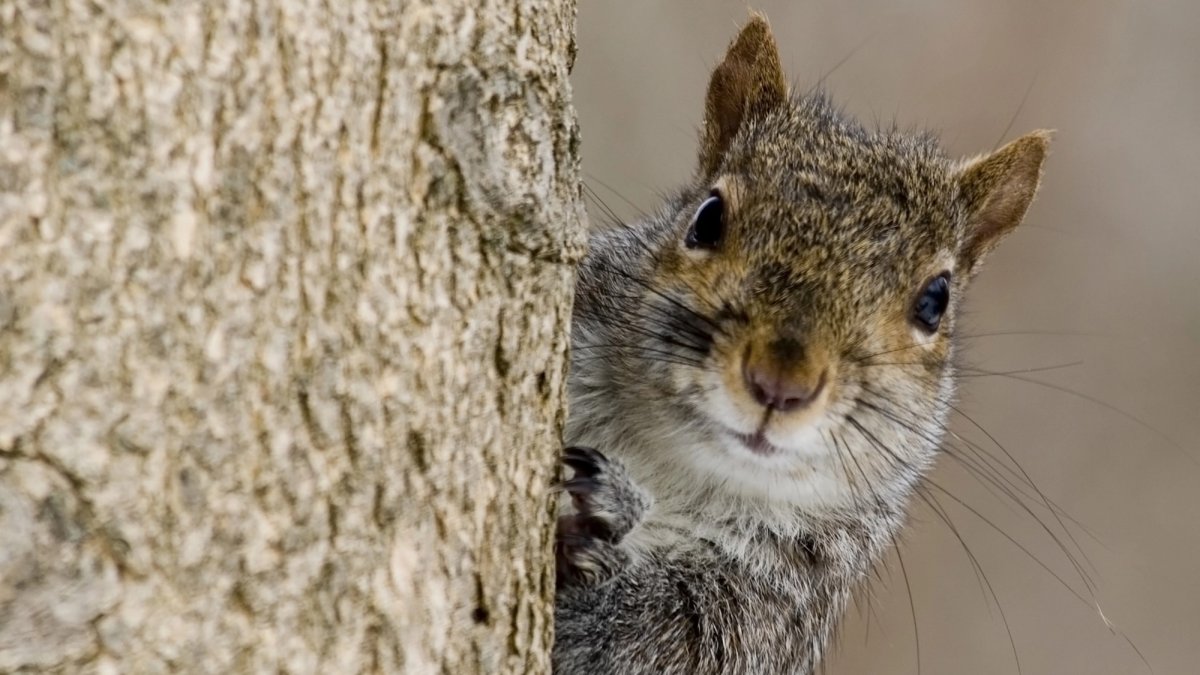

Nature generally doesn’t reward a picky eater. Every animal aside from humans will usually opt for a nearby, easier meal instead of a tastier snack that requires additional effort to reach. It’s understandable—when survival is at stake, favorite foods take a backseat to closer (even if less desirable) calories.
That said, new research indicates at least one species is willing to put in the extra work if it means a chance to chow down on their preferred dish. In a study published today in the journal Animal Behaviour, researchers at the University of Exeter in the United Kingdom explain that wild gray squirrels (Sciurus carolinensis) will often ignore the food in front of them and climb higher to reach a favorite alternative.
“This suggests that–in natural decision-making scenarios–it may sometimes be beneficial for animals to wait or work harder for a better outcome,” explained study co-author and behavioralist Yavanna Burnham.
Along with her colleagues, Burnham offered 11 gray squirrels a simple task. They could either climb to a lower height on a pole to receive a less-enjoyed food (pumpkin seeds), or continue further up to nab their longtime favorite, almond pieces. In the more than 4,000 decision tests the team recorded, the tree rodents largely scaled higher for their favorite treat. What’s more, the less dominant squirrels were more likely to play it safe. The reason isn’t fully clear yet, but the researchers theorize that it may be a way to avoid losing food to a rival and wasting energy.
“It shows there isn’t always an ‘optimal’ decision, and–just as with humans–an animal’s social status affects the costs and benefits of particular choices,” said study co-author and behavioralist Lisa Leaver,It’s a clear example of squirrels assessing and adjusting their plans to maximize a reward, according to Leaver.
“This suggests that–in natural decision-making scenarios–it may sometimes be beneficial for animals to wait or work harder for a better outcome,” said Burnham. “This is what we would expect to find, and it shows the value of doing research on wild animal populations.”

2025 PopSci Best of What’s New