
This season however Liverpool have not had the same luck with injuries as they did last season. They have also consistently struggled to see games out.
After a 1-1 draw against Burnley in January, Virgil van Dijk said: “After 60 minutes, we started to become sloppy and it’s not the first time. We have to address that.”
As positive as Slot’s changes were in his first season, there is a possibility that they were so effective because they were stacked upon the physical base that Klopp had built through an approach that might be considered too strenuous on its own.
For a team to succeed, tactics and the skillset of the squad have to be considered together. Simply put, a team’s style has to suit their players.
Liverpool’s squad overhaul in the summer should have resulted in an improvement on the success of last season. In actuality, it appears now that some of the players Liverpool lost had the necessary traits needed to elevate Slot’s ideas.
Picking specific moments to press is not inherently a bad tactic but it requires aggression and co-ordination throughout the squad.
The tragic loss of Diogo Jota will have undoubtedly impacted Liverpool’s ability to complete an optimal pre-season.
Alongside the sales of Darwin Nunez and Luis Diaz, Liverpool are without three attackers who could press well, often winning the ball high, even if they did not engage as often under Slot, as they did under Klopp.
This season Liverpool’s forward line has not been able to minimise the potential flaws of Slot’s press – often slower to apply pressure, failing to cut out easy passing lanes and not back-pressing to tackle opposition midfielders.
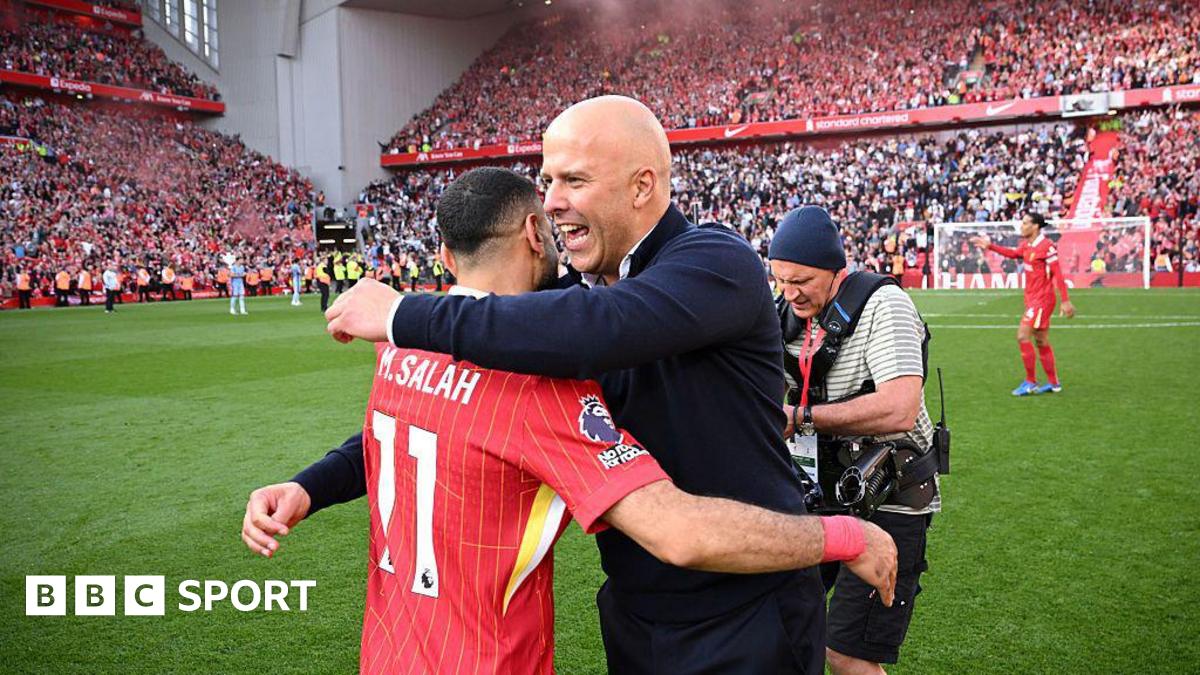
Florian Wirtz’s 86.7 pressures per 90 minutes this season are similar the numbers Jota (104.1) and Nunez (93.6) boasted last season but the likes of Hugo Ekitike (73.3), Alexander Isak (70.0) and an ageing Mohamed Salah are different types of players.