
The franchise tag deadline has officially come and gone, one more major milestone on the road to free agency in less than two weeks’ time. A total of four players wound up getting tagged: Cowboys receiver George Pickens, Falcons tight end Kyle Pitts and Jets running back Breece Hall received the franchise tag, locking them into one-year deals for the 2026 season (unless they agree to new long-term contracts), while Colts quarterback Daniel Jones received the transition tag (giving Jones the chance to negotiate with other teams while Indianapolis retains the right to match any offer sheet he gets).
The tag is a unique tool at front offices’ disposal, the chance to unilaterally prevent a player from hitting free agency. But that doesn’t mean that teams can’t talk themselves into costly mistakes anyway — a lesson we learned once again this offseason.
EDGE Trey Hendrickson, Cincinnati Bengals

Really, this is less a franchise tag mistake than a full year of roster management malpractice. Cincinnati botched the Hendrickson saga at every step: first in their refusal to pay up for by far their best defensive player, and then by running out the clock until the only choice was to simply let him walk rather than try to work out an extension or get something of value in return via trade.
The result is that the Bengals’ cupboard is now completely bare at edge rusher, and they won’t even be able to turn a premium asset into a player or picks that could help them build a new foundation moving forward. If you want to argue that paying full freight for Hendrickson, a player nearing 30 years old, that’s all well and good. But the process here, as well as how cheap this organization has been throughout its history, is profoundly concerning moving forward.
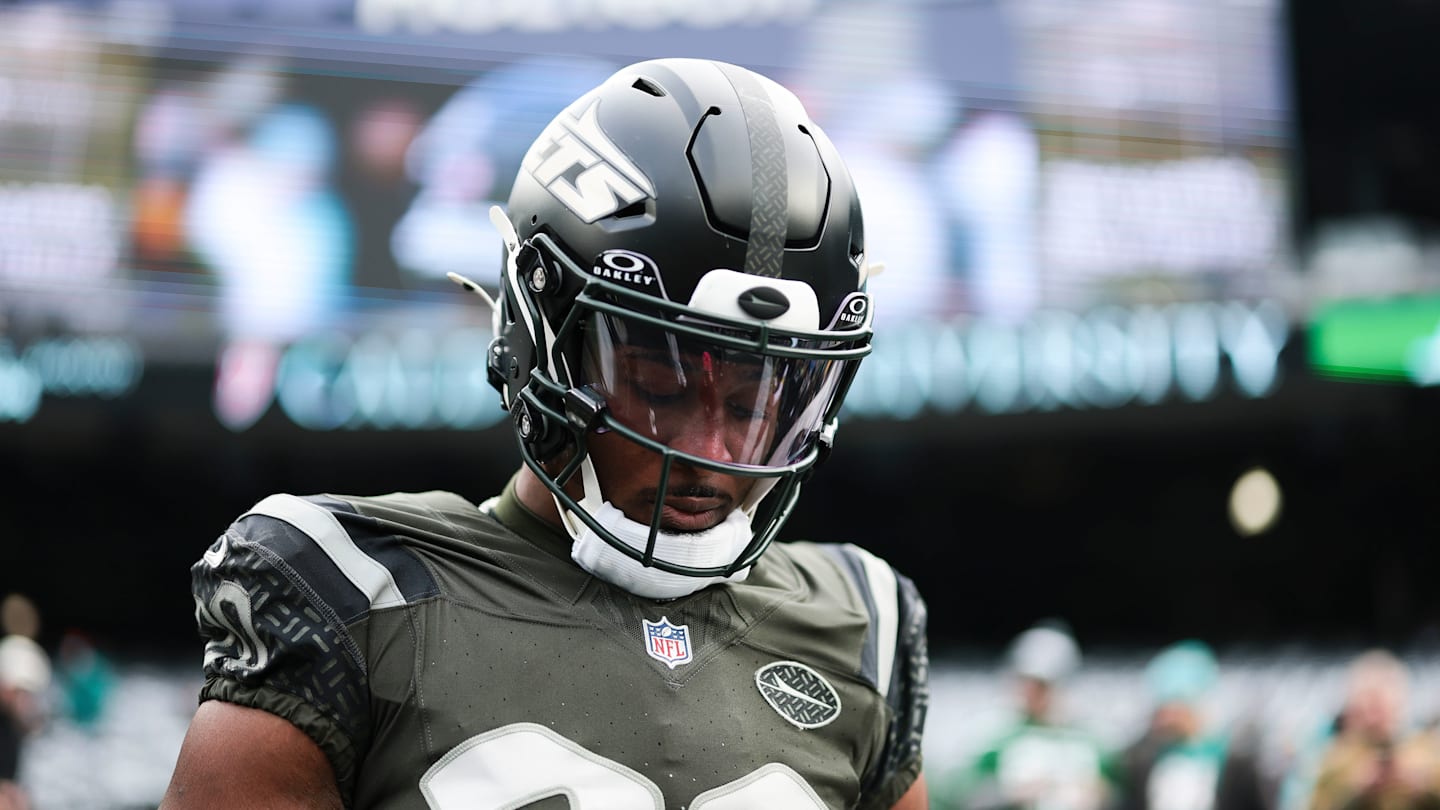
RB Breece Hall, New York Jets

Perhaps this will wind up looking too harsh. Maybe the Jets will be able to flip Hall for valuable draft capital at the trade deadline the way they didn’t last year, or heck, maybe they’ll sign him to a new contract and manage to build a competitive team around him before it expires. (Hey, the tristate area can dream.)
From here, though, it’s hard not to see this as anything other than inviting undue risk. If the reports are true that New York could’ve landed a third-round pick for Hall in the middle of last season, why wouldn’t the team have taken it? What is to be gained by tagging Hall now? Either the Jets are planning on sinking significant money into a player at a non-premium position who almost certainly won’t still be in his prime by the time they’re good again, or they’re planning on letting him play out 2026 on the tag — in which case he could suffer an injury or a downturn in form that nuke his trade value.
Running backs are uniquely volatile assets, both because of the punishment they take and because of how reliant they are on the infrastructure around them. The Jets’ offensive infrastructure is … shaky, to say the least, and it’s not hard to see Hall’s stock declining from here through no real fault of his own. If that does come to pass, New York will either be stuck with a free agent-to-be or an albatross of a contract.
QB Daniel Jones (and WR Alec Pierce), Indianapolis Colts

If I had a nickel for every time a team chose paying Jones rather than keeping a crucial skill-position star around, I’d have two nickels. Which isn’t a lot, but it’s weird that it happened twice.
You can understand how Indy talked themselves into applying the transition tag to Jones — which allows the QB to negotiate with 31 other teams, but gives the Colts the right to match any offer sheet that gets sent his way — while letting Alec Pierce walk. Shane Steichen and Chris Ballard both enter 2026 on less than stable ground, and both are desperate to stay out of QB purgatory and be competitive next season. There simply aren’t many paths to a better quarterback situation than Jones, even coming off of an Achilles tear.
That said … I mean, Jones is coming off an Achilles tear, and it’s not like he was a model of consistency previously in his NFL career. Are the Colts really better off risking an unfriendly multiyear deal for Jones rather than, say, signing Kyler Murray for the minimum? And is the difference between the two worth losing a dynamic deep threat in Pierce?
I’m skeptical, and more generally, the whole thing smacks of desperation: Indy has more or less broadcast that it’s willing to match whatever a team is willing to fork over for Jones, and that’s never a good space from which to be operating.