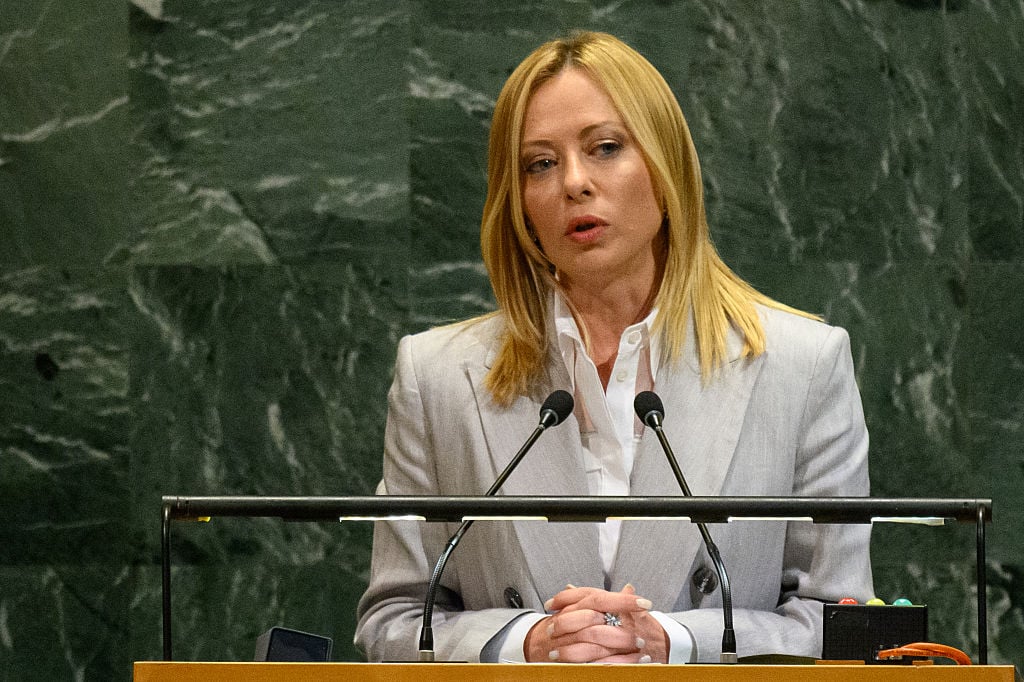

9. António Costa
President of the European Council
Costa doesn’t govern a country anymore — he governs consensus. As president of the European Council, he controls summit agendas, mediates between rival leaders, and decides when compromise becomes unavoidable.
In a fragmented Europe, the ability to keep 27 leaders talking is a form of power that rarely gets applause — but often decides outcomes.
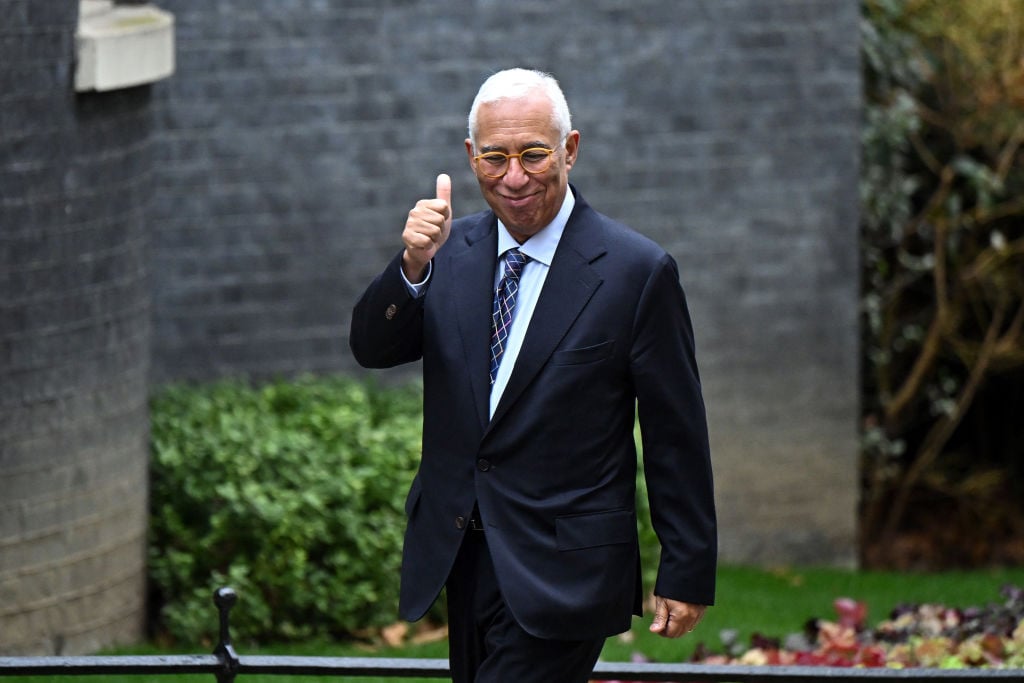
10. Sabine Weyand
Director-General for Trade, European Commission
Trade policy is one of the EU’s strongest global tools, and Weyand is the one shaping it. From supply-chain security to strategic autonomy, her decisions affect everything from prices to geopolitics.
Her influence is a reminder that Europe’s power often operates through rules, standards, and agreements — not force.
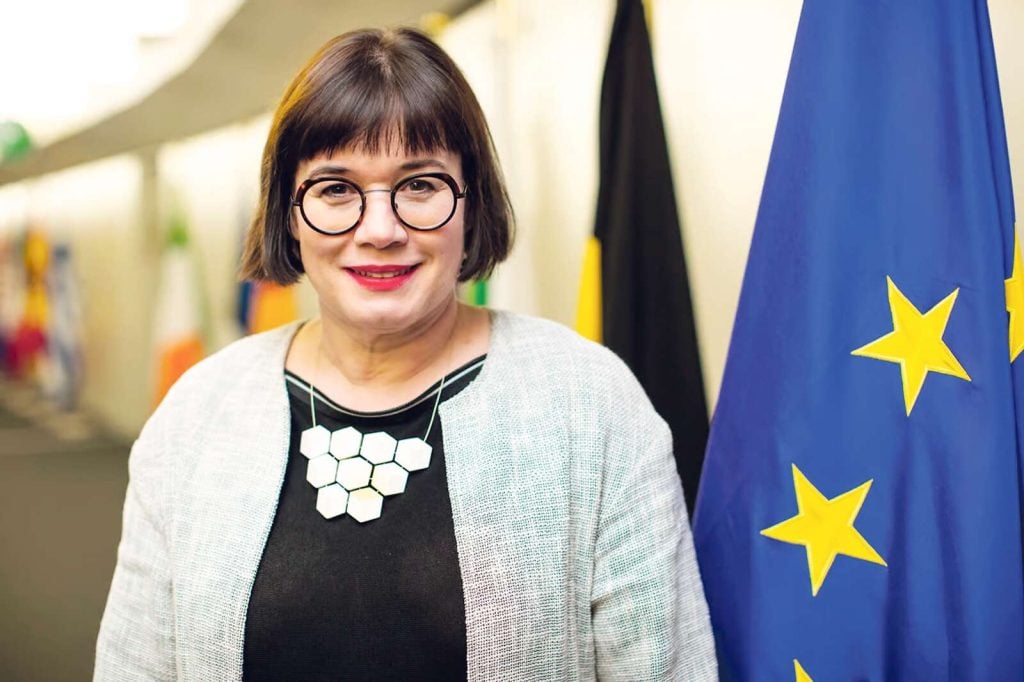
11. Friedrich Merz
Chancellor of Germany
Germany’s economic weight alone guarantees influence, but Merz’s leadership also signals a broader reshaping of European conservatism. His voice carries particular weight in debates on fiscal rules, defense spending, and industrial competitiveness.
When Berlin shifts its position, Europe listens — even if it doesn’t always agree.
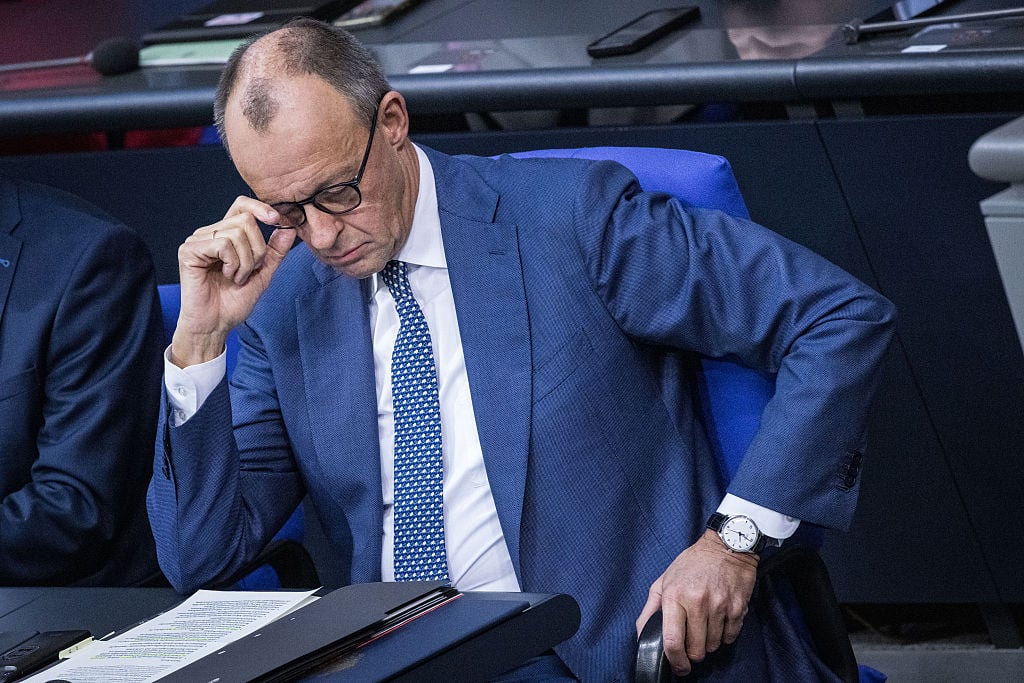
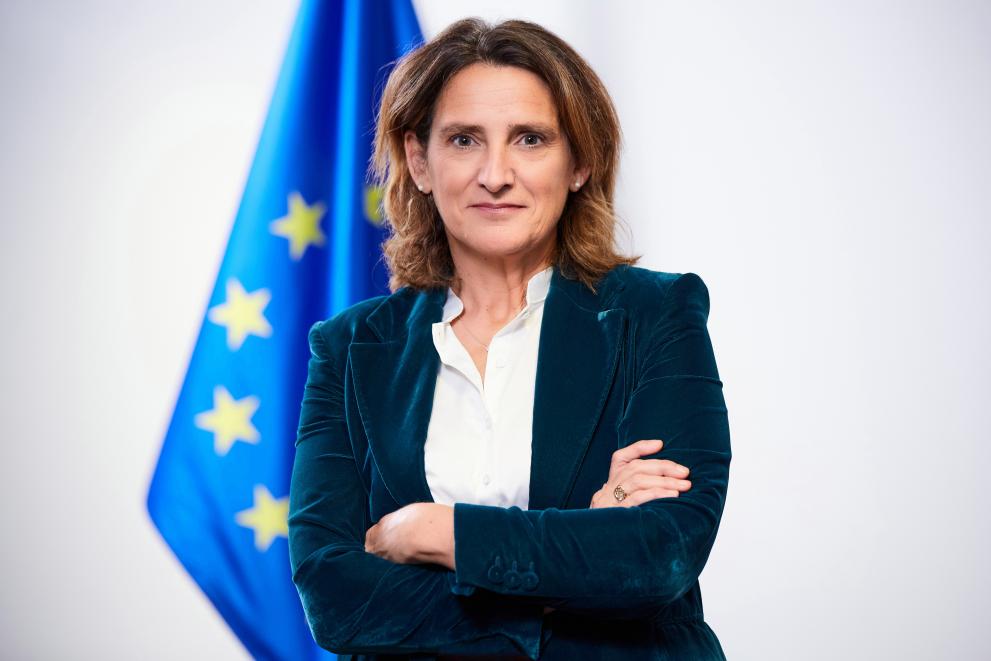
12. Teresa Ribera
Executive Vice-President of the European Commission
Climate policy isn’t a side issue anymore — it’s a power axis. Ribera oversees Europe’s green transition at a moment when energy security, competitiveness, and climate goals collide.
Her prominence shows how climate and energy have become central to political authority, not just environmental ambition.
What This Ranking Really Shows
Europe in 2025 is not led by charisma alone. Power now flows through institutions, budgets, security pressures, and economic control. Some figures dominate headlines; others dominate outcomes.
Together, these leaders form a map of influence, not a popularity contest — and watching how they interact offers one of the clearest signals of where Europe is headed next.