
Older moms give birth to smarter kids
You would think that age doesn’t have anything to do with a child’s IQ, but you’d be wrong. Cognitive tests show that children who had older mothers outperform their peers who had younger mothers. 40 years ago, the opposite was true, so what happened? In developed countries, older mothers often have more resources, are more likely to be educated or established in careers, are financially stable, avoid smoking, and are hence better prepared to raise a child. Decades ago, this wasn’t true of older moms. Additionally, firstborns perform better on cognitive tests because they receive more parental attention and resources rather than competing with a sibling.
Breech births are genetic
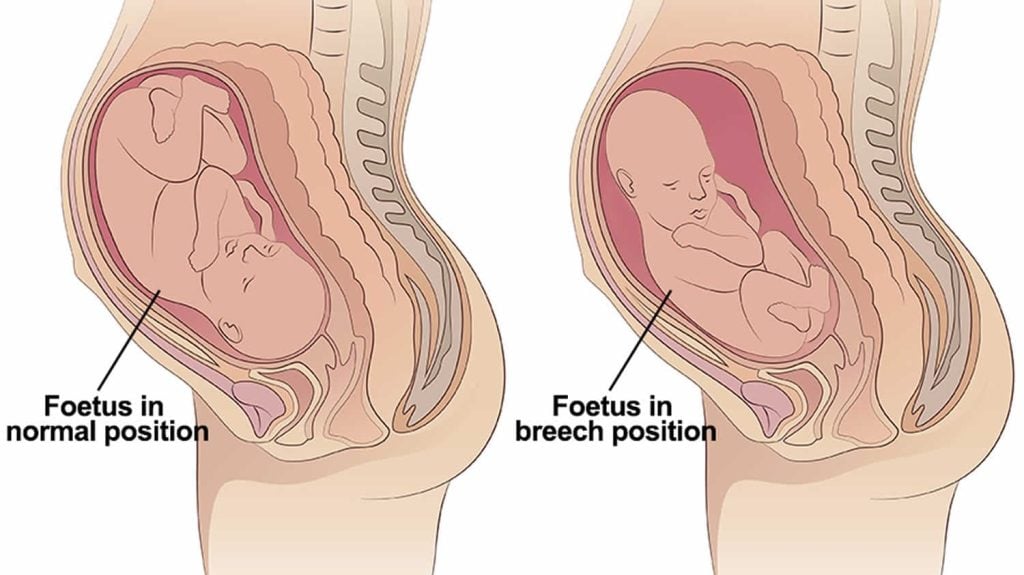
This isn’t necessarily the good kind of inheritance. It turns out that you can inherit the position you’re born in from your parents. Healthy babies come into the world headfirst, but one in twenty babies comes out backwards, which also comes with health complications and potentially death. As a result, predicting this kind of birth to see which babies are at risk is vital. A major Norwegian study in 2008 showed that a firstborn child was twice as likely to have a breech birth if one parent (or both) was a full-term breech baby.
The oldest baby to be born was 30 years old
In 1994, a woman called Linda Archerd and her husband had a baby girl via IVF. The procedure yielded three other embryos, which the couple decided to freeze. Linda put them up for adoption decades later, and another couple happily accepted one. The egg was thawed and implanted, and the baby was born in July 2025. Since he was frozen for just over 30 years, this technically makes him the oldest baby in the world!